Home / Environment / Lake Mead's Record Low: A Warning for 40 Million
Lake Mead's Record Low: A Warning for 40 Million
10 Aug
Summary
- Lake Mead's water level has dropped to its lowest point in 90 years.
- The Colorado River system supports water for 40 million people.
- Hydropower generation faces imminent threats as reservoirs deplete.
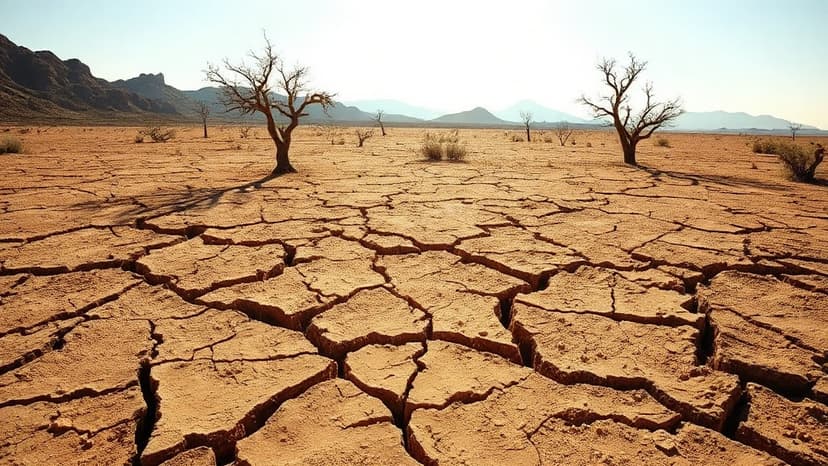
Lake Mead, the nation's largest reservoir, has recorded its lowest level in nearly 90 years, with water falling to 1,040.4 feet. This alarming decline mirrors the critically low state of Lake Powell, the second-largest reservoir, highlighting severe stress on the Colorado River system. This system is vital, supplying water to approximately 40 million people across the U.S. Southwest, Tribal communities, and Mexico.
The prolonged drought, exacerbated by extreme heat and overuse, has depleted the stored water reserves. This situation raises significant concerns about the future functionality of these reservoirs, which are crucial for managing water and supporting essential services like hydropower and agriculture. The low water levels are already impacting recreational activities and forcing federal officials to consider water use reductions among Lower Basin states.
Hydropower generation at Glen Canyon Dam, which holds back Lake Powell, is particularly at risk. Electricity production is dependent on water pressure, which diminishes as reservoir levels drop. Lake Powell is only about 23% full, nearing an elevation where power generation could cease. This loss would reduce the flexibility of the Western power grid and increase costs.
Further depletion could lead to 'dead pool' conditions, where water can no longer flow through the dams' existing infrastructure. For Lake Mead, this threshold is around 895 feet. Such a scenario would severely jeopardize water deliveries to Arizona, California, and Mexico, potentially leading to widespread agricultural fallowing and stricter water use for cities.
While Las Vegas has invested in deep-water intakes and water recycling, offering some protection, other regions face substantial risks. Arizona's agricultural sector could be significantly impacted, and California's and Mexico's water supplies would face severe disruption. Wildlife dependent on specific water temperatures and tourism industries also face significant threats.
Federal managers are implementing measures to mitigate these risks, but the situation underscores the urgent need for sustained changes in water consumption to allow reservoir levels to recover. Without such efforts, the Colorado River system's ability to store and distribute water reliably is in jeopardy.


