Home / Environment / Lake Mead Hits Critical Lows Amid Heat and Algae
Lake Mead Hits Critical Lows Amid Heat and Algae
27 Mar
Summary
- Lake Mead's projected 2027 elevation is below its 2022 record low.
- Harmful algal blooms pose risks to children and pets.
- Hydropower output from Hoover Dam is declining due to low water levels.

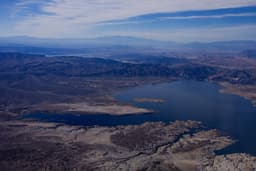
Federal projections indicate Lake Mead's water level will fall below its 2022 record low by the end of 2027, reaching an elevation of 1,032.76 feet. This forecast exacerbates concerns for the Colorado River system, which supplies water to approximately 40 million people and irrigates over 5 million acres of farmland. The situation is compounded by dangerous temperatures and recent heat waves affecting the Southwest region. A harmful algal bloom has been reported at Government Wash, with the National Park Service issuing warnings about potential health risks to children and pets from ingesting contaminated water.
In addition to water supply and health concerns, declining water levels at Lake Mead are significantly impacting hydropower production at the Hoover Dam. This reduction in electricity output raises reliability worries for communities that depend on the dam's power. Federal officials have responded to the hazardous conditions by closing several recreational trails and urging visitors to take precautions, such as carrying extra water and avoiding midday heat. These measures aim to mitigate risks amid the ongoing challenges facing the nation's largest reservoir.