

Home / Environment / Lagos Heatwave: Fuel Prices Make Cooling Impossible
Lagos Heatwave: Fuel Prices Make Cooling Impossible
8 Apr
Summary
- Nigeria faces brutal temperatures amid a heatwave.
- Soaring fuel prices drastically increase cooling costs.
- Climate change, urban sprawl worsen Lagos heat.
- Health risks from heat and malaria are a concern.
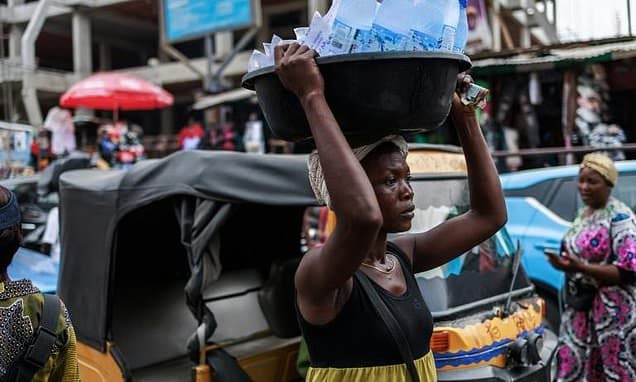
Nigeria is experiencing a relentless heatwave, with Lagos and other cities facing extreme temperatures. Temperatures in Lagos peaked at 35C in late March, with other regions experiencing even higher readings. This intense heat is compounded by a sharp increase in fuel prices, a consequence of global events like the Iran war, making essential cooling methods like air conditioning and backup generators unaffordable for many.
Analysts attribute the rising temperatures to a combination of climate change, Lagos's coastal location, dense population, and limited green spaces. The widespread reliance on generators, while necessary due to the unreliable power grid, further contributes to heat and greenhouse gas emissions. Public transport vehicles often lack functional air conditioning, leaving commuters struggling in traffic.
The health implications are significant, with warnings against prolonged sun exposure. The heatwave could also worsen Nigeria's malaria burden, as warmer conditions accelerate mosquito breeding. While the approaching rainy season may offer some temperature relief, it brings its own challenges like flooding.
