Home / Environment / DMZ: War's Shadow, Nature's Sanctuary
DMZ: War's Shadow, Nature's Sanctuary
8 Mar
Summary
- The Korean DMZ, a 2.5-mile-wide buffer zone, has become an ecological sanctuary.
- Nearly 6,200 species thrive in the DMZ due to the absence of human activity.
- Peace could pose the greatest threat to the DMZ's fragile ecosystem.
The Korean Demilitarized Zone (DMZ), created by the 1953 armistice, serves as a 2.5-mile-wide buffer between North and South Korea. Once a site of intense conflict, its heavy fortification and estimated one million landmines have deterred human activity for over seven decades.
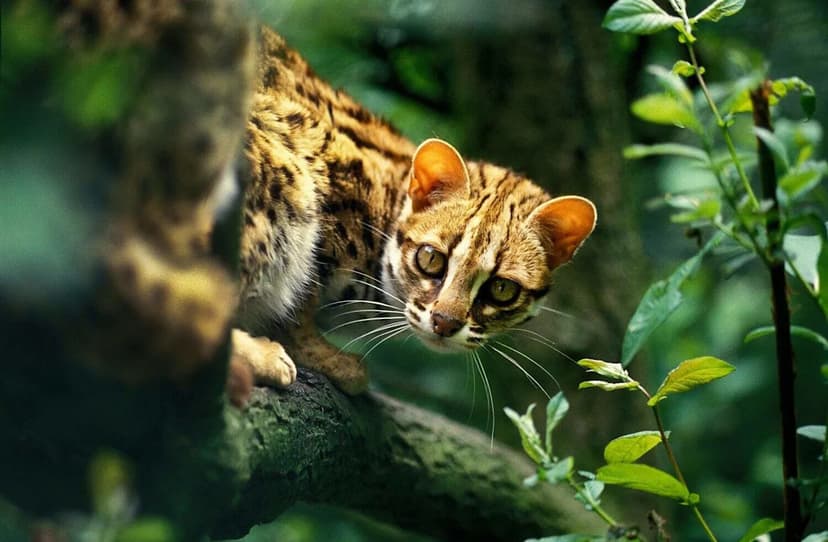
This prolonged absence of farming, logging, and development has allowed nature to flourish, transforming the DMZ into an unexpected ecological sanctuary. It now supports nearly 6,200 species, including elusive predators like the leopard cat and Asiatic black bear, as well as critical migratory bird populations.
This militarized border functions as a unique conservation success. The very weapons and barriers meant to keep humans out now protect wildlife from poaching and habitat destruction. The DMZ is a testament to nature's resilience, thriving despite, and because of, war.
However, a future peace treaty and potential unification could pose the greatest threat to this fragile ecosystem. Conservationists advocate for its protection as a UNESCO Biosphere Reserve to prevent development that could disrupt this rare wilderness.