

Home / Environment / Flightless Parrot Achieves Historic Breeding Success
Flightless Parrot Achieves Historic Breeding Success
9 Apr
Summary
- Over 100 kākāpō chicks hatched, the most recorded in 30 years.
- Conservation efforts are credited for the species' significant population increase.
- The kākāpō, a large, flightless parrot, was once near extinction.
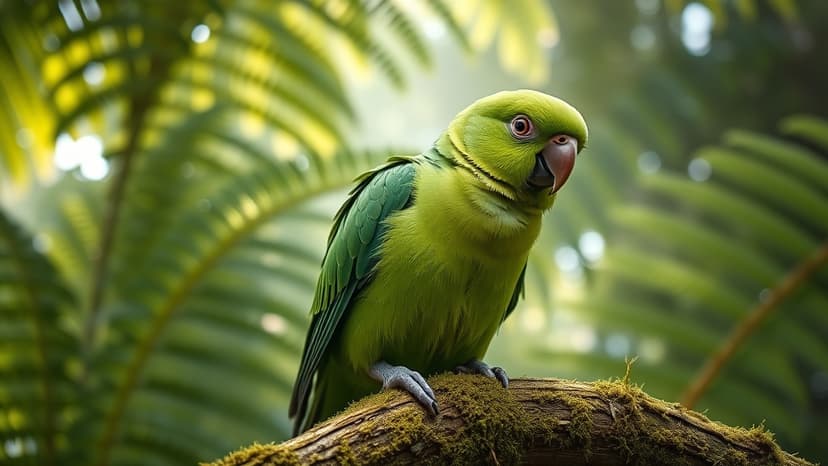
A landmark breeding season has seen an unprecedented number of kākāpō chicks hatch, offering renewed hope for the critically endangered flightless parrot. This year's success, with over 100 chicks born, is the highest recorded in three decades of conservation efforts.
The kākāpō, a large, nocturnal parrot native to New Zealand, was driven close to extinction by the 1990s due to hunting, habitat destruction, and introduced predators like cats and rats. Intensive management under the Kākāpō Recovery Programme has been pivotal in its slow but steady comeback.
Despite the encouraging numbers, ongoing vigilance is necessary, as some chicks have required medical treatment. Conservationists remain optimistic, emphasizing that each new chick brings the species further from the threat of extinction. With an estimated 235 kākāpōs in the wild, this record season underscores the effectiveness of dedicated conservation strategies.
