
Home / Environment / Kerala's Ecological Crisis: A 400-Year Legacy of Exploitation
Kerala's Ecological Crisis: A 400-Year Legacy of Exploitation
6 Jun
Summary
- Kerala's environmental crisis is a result of 400 years of exploitation.
- Colonialism shifted Kerala's landscape from diverse forests to monoculture crops.
- Past environmental warnings, like the Gadgil report, were ignored leading to disasters.
Kerala's present ecological crisis is the cumulative result of historical decisions spanning four centuries. European travelers in the 17th century noted a region where humans and nature coexisted, with diverse agriculture and lush forests.
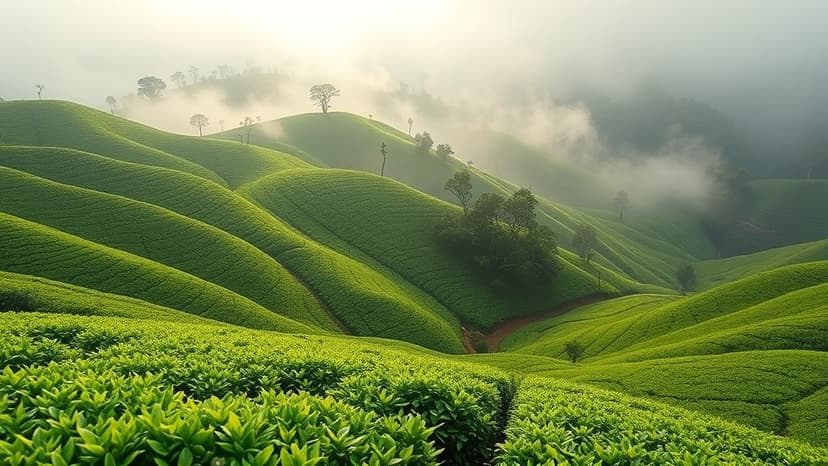
This harmonious state began to change with systematic exploitation by Western powers, starting with timber and later expanding to plantations for tea, coffee, and cardamom. This colonial practice, a form of green imperialism, led to the decimation of forests and wildlife.
Following independence, development projects like highways and housing continued the landscape transformation at an unprecedented scale. Environment historian Sebastian Joseph notes that today's floods and biodiversity loss stem from these historical imprints on the land.
Colonial scientific and bureaucratic efforts, including surveys and documentation like Hortus Malabaricus, facilitated resource control. The development of infrastructure such as the Kochi forest tramway and railways further enabled timber extraction from the Western Ghats.
The widespread adoption of rubber monoculture, originating from research in the mid-18th century, significantly altered Kerala's environment. It depleted soil water and impacted traditional crops, leading to a shift from subsistence farming to cash crops and a decline in paddy cultivation.
Warnings about deforestation's link to weather change, identified in the mid-19th century, and detailed reports like the 2011 Gadgil report, were disregarded. These ignored warnings, coupled with pressure from various lobbies, preceded major environmental disasters like the 2018 floods and the 2024 Wayanad landslide.
