Home / Environment / Rare Octopus Discovery Highlights Fishing Dangers
Rare Octopus Discovery Highlights Fishing Dangers
10 Feb
Summary
- Deep-sea trawling causes significant bycatch of juvenile fish.
- Estimated 500-1,300 tonnes of marine life discarded annually.
- Unchecked trawling poses irreversible damage to marine ecosystems.
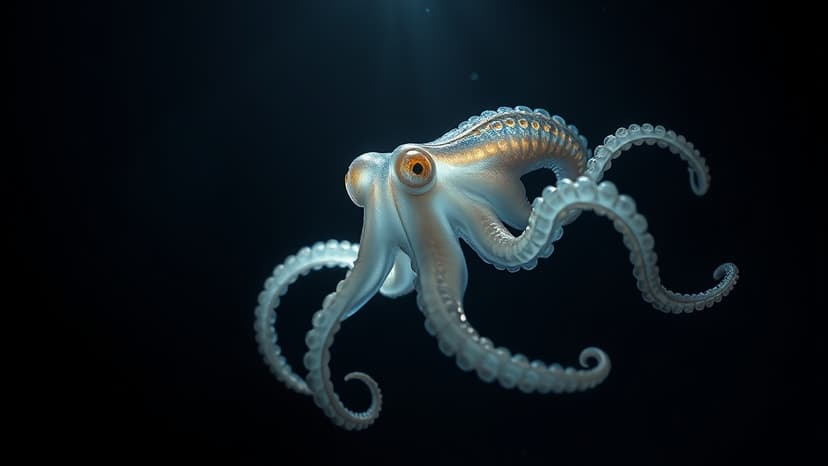
Scientists are raising alarms about the detrimental effects of unchecked deep-sea shrimp trawling along the coast of Kerala. The rare discovery of a deep-sea telescope octopus, found as bycatch off the Kollam coast, underscores serious deficiencies in the monitoring and regulation of deep-sea fishing activities.
Research indicates that deep-sea shrimp trawling operations result in substantial bycatch, with estimates suggesting that 500 to 1,300 tonnes of non-target marine organisms are discarded annually. This practice not only endangers juvenile fish and other species but also threatens the long-term viability of fish stocks.
The discovery of the telescope octopus, a species with a transparent body and tubular eyes, serves as a stark warning about the fragility of deep-sea ecosystems. Experts emphasize that such unchecked trawling could lead to irreversible damage, jeopardizing marine biodiversity and the livelihoods of fishing communities dependent on these resources. Stronger regulatory measures, systematic monitoring, and comprehensive biodiversity studies are urgently needed to achieve a balance between fishing and conservation.