

Home / Environment / Kenya's Ant Trade: A Global Black Market Boom
Kenya's Ant Trade: A Global Black Market Boom
29 Mar
Summary
- Winged queen ants fetch up to $220 on a burgeoning online black market.
- Smugglers use test tubes and syringes for discreet shipping worldwide.
- Illegal ant trade poses risks to ecosystems and biodiversity globally.
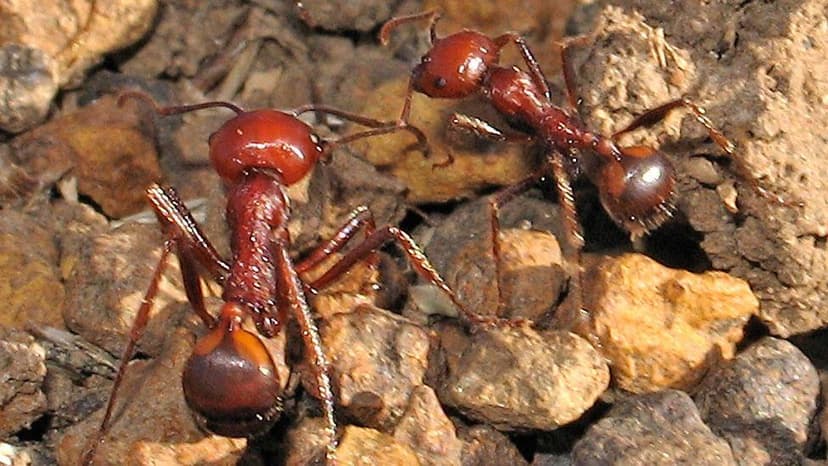
The current rainy season in Kenya has led to a significant increase in the illegal trade of queen ants, with Gilgil in the Rift Valley emerging as a central hub. These giant African harvester ant queens are prized by international collectors, fetching up to $220 each on an expanding online black market. A single fertilized queen can establish an entire colony and live for decades, making them valuable commodities for smugglers. The trade gained notoriety last year when 5,000 queens were seized in Naivasha, involving suspects from Belgium, Vietnam, and Kenya.
Scientists express surprise at the scale of this illicit trade, which differs from Kenya's usual focus on high-profile wildlife crimes. The fascination with these ants stems from their unique behaviors and the longevity of their colonies, which can persist for 50-70 years. The removal of queens for trade, however, risks disrupting these delicate ecosystems. Efforts to curb the trade have seen arrests and convictions for biopiracy, with offenders facing fines or jail time.
Concerns are mounting over the potential for invasive species to establish themselves in new environments. Researchers have noted that a significant portion of traded ants in China are non-native, raising fears of ecological disruption. In Kenya, the harvesting of queen ants threatens biodiversity, as they are keystone species vital for maintaining healthy grasslands. While legal collection with permits is possible, none have been issued, highlighting the prevalence of unregulated trafficking.
