
Home / Environment / Kedarnath STP Fails: Yatra Overwhelmed by Pilgrim Surge
Kedarnath STP Fails: Yatra Overwhelmed by Pilgrim Surge
2 May
Summary
- Kedarnath's new sewage plant remains unoperational despite readiness claims.
- Pilgrim numbers exceed plant capacity, straining waste management systems.
- Garbage pollutes the Mandakini river, highlighting a significant environmental issue.
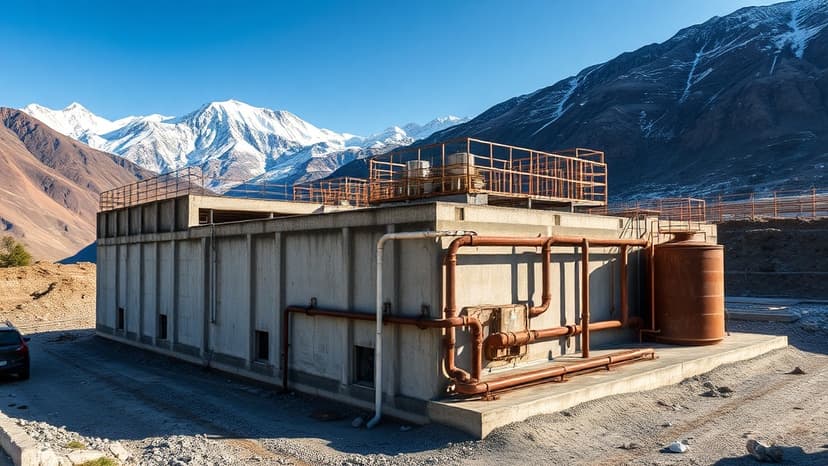
A newly constructed 600 kilolitres per day sewage treatment plant (STP) at Kedarnath Dham has not commenced operations this yatra season. This comes despite the Rudraprayag district administration's February affidavit to the National Green Tribunal (NGT) confirming the facility's readiness. The plant, designed for 20,000 pilgrims, is struggling to cope with daily footfalls exceeding 30,000 since the shrine opened on April 22. Over two lakh pilgrims visited in the first week alone.
Concerns over the STP's capacity and operational status were previously raised, with reports indicating it didn't cover all temporary tent accommodations. A recent ground visit confirmed the plant's non-operational status nearly ten days into the yatra. Waste management along the pilgrimage route is described as alarming, with garbage accumulating on hillsides and flowing into the Mandakini river.
Petitioner Abhisht Gupta noted lapses in the deposit refund system for plastic bottles and argued for restrictions on pilgrim numbers to manage waste effectively. The Wildlife Institute of India has submitted carrying capacity recommendations, but no government order to cap numbers has been issued.
Officials acknowledge the need to increase the STP's capacity in the future. In the first week of the yatra, 1,000 kg of plastic waste was collected. Last year, only 40% of generated waste was processed, highlighting ongoing challenges in waste management amid rising pilgrim numbers.
