Home / Environment / Wildlife vs. Highway: Assam's UNESCO Heritage at Risk
Wildlife vs. Highway: Assam's UNESCO Heritage at Risk
24 Nov, 2025
Summary
- UNESCO urged to assess ecological impact of Kaziranga highway.
- Proposed elevated corridor construction may harm wildlife.
- Project aims to reduce traffic, but faces habitat fragmentation fears.
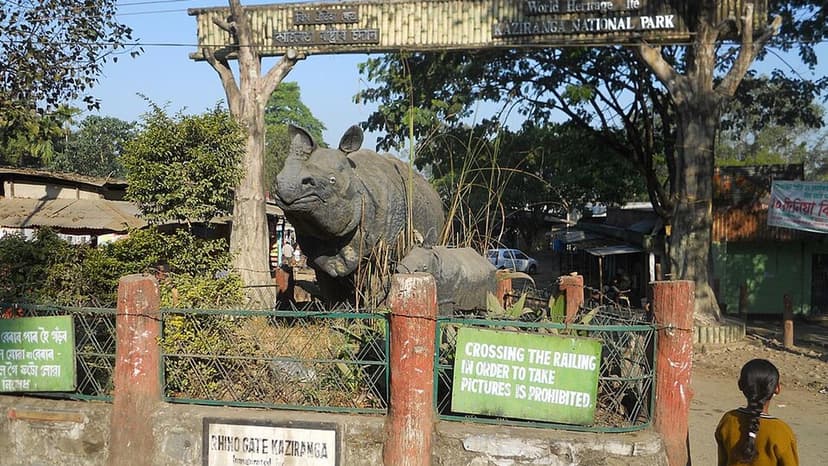
A resident of central Assam has formally requested UNESCO to investigate the potential ecological consequences of a planned 35.45-km elevated highway adjacent to Kaziranga National Park and Tiger Reserve. The letter urges the UN body to ensure adherence to World Heritage Site conservation guidelines, specifically regarding wildlife corridors.
The proposed ₹6,957 crore project, approved by the Indian government, is intended to alleviate traffic and prevent animal deaths on National Highway 37, which passes through nine vital animal corridors. Construction is anticipated to commence in January 2026 and take approximately four years to complete.
Despite government assurances of safe wildlife movement and boosted ecotourism, critics fear the prolonged construction noise, vibrations, and machinery will severely disrupt animal behavior, breeding patterns, and habitat integrity in this globally significant biodiversity hotspot.