Home / Environment / Kaziranga's Buffer Zone Debate: Wildlife & Development Clash
Kaziranga's Buffer Zone Debate: Wildlife & Development Clash
3 Oct
Summary
- Kaziranga's eco-sensitive zone proposed at 1-3 km, down from 10 km.
- Debate includes legal changes, community impact, and mining concerns.
- Wildlife use of areas outside park boundaries is crucial.
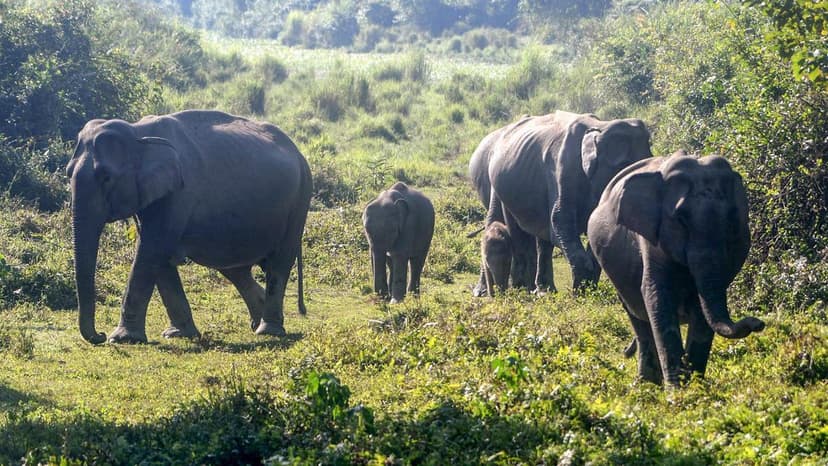
Kaziranga National Park, a UNESCO World Heritage Site, is currently at the center of a significant debate regarding its protection radius. The Assam government has put forth a proposal to establish a site-specific Eco-Sensitive Zone (ESZ) that would span approximately 1 to 3 kilometers along different stretches of the park's perimeter. This move aims to replace the previously mandated 10-kilometer buffer zone that has been in effect around Kaziranga.
The discussion unpacks the fundamental purpose of Eco-Sensitive Zones and the legal framework guiding their creation around protected natural areas. It examines the Supreme Court's directives on the minimum extent of such zones and their site-specific applicability. The process for altering Kaziranga's current ESZ is under scrutiny, alongside the apprehension of local communities residing near the park.
Furthermore, the conversation delves into the implications of a reduced ESZ for regional development initiatives, including tourism prospects. Concerns regarding mining and quarrying activities within the broader Kaziranga-Karbi Anglong landscape are also a key focus. Environmental lawyer Ritwick Dutta provides insights into these multifaceted issues.


