Home / Environment / Kalgoorlie's Dust Devils Tamed by Green Belt
Kalgoorlie's Dust Devils Tamed by Green Belt
3 Aug
Summary
- A 1970s greening effort transformed Kalgoorlie-Boulder from dust storms to protected city.
- Thousands of hectares of forest now shield the city from harsh outback winds.
- Decades of community-led action combined science and determination to solve environmental issues.
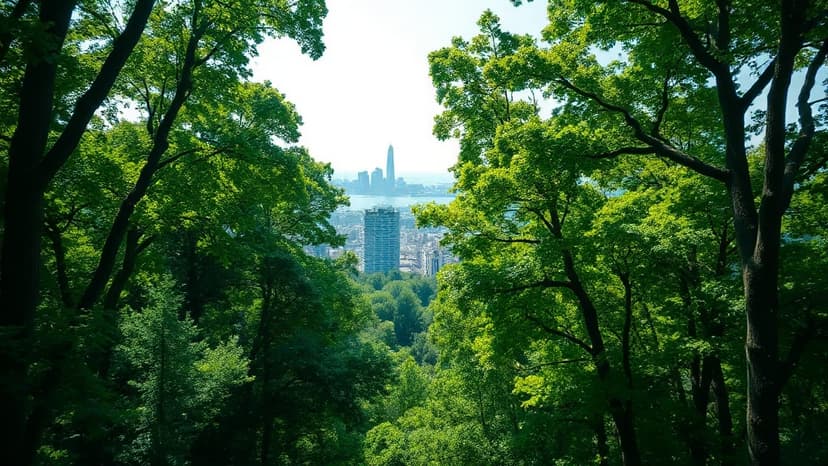
For decades, Kalgoorlie-Boulder endured relentless dust storms that disrupted daily life. These storms, a consequence of 1890s gold mining that stripped vegetation and destabilized soil, were a constant threat. A pivotal shift occurred in 1973 when Julian Grill proposed a bold greening strategy. This initiative involved planting, rehabilitation, and land management to combat the dust.
The Goldfields Dust Abatement Committee implemented ambitious plans, creating six reserves totaling approximately 3,500 hectares of forest to act as a northern buffer. Despite early challenges like vandalism, the community's resolve persisted.
Significant efforts were also directed at mine tailings, a major dust source. By the late 1980s, these were consolidated into a single storage area, reducing exposed material. It took about 20 years for these abatement measures to fully impact dust levels, dramatically weakening storms by the early 1980s.
The committee evolved into the Kalgoorlie-Boulder Urban Land Care Group (KBULCG) in 1994, expanding its focus to broader greening efforts. Today, KBULCG manages reserves and supports green spaces, with the former forest now a popular recreational area. This decades-long transformation, initiated with a modest grant, underscores the power of long-term, community-driven environmental solutions.


