Home / Environment / Rarest Parrot Defies Extinction with Remarkable Comeback
Rarest Parrot Defies Extinction with Remarkable Comeback
24 Feb
Summary
- Kakapo population grew from 50 to over 200 through dedicated conservation.
- Flightless parrots lay eggs every 2-4 years in response to fruit abundance.
- Dedicated conservationists manage breeding and protect the kakapo population.
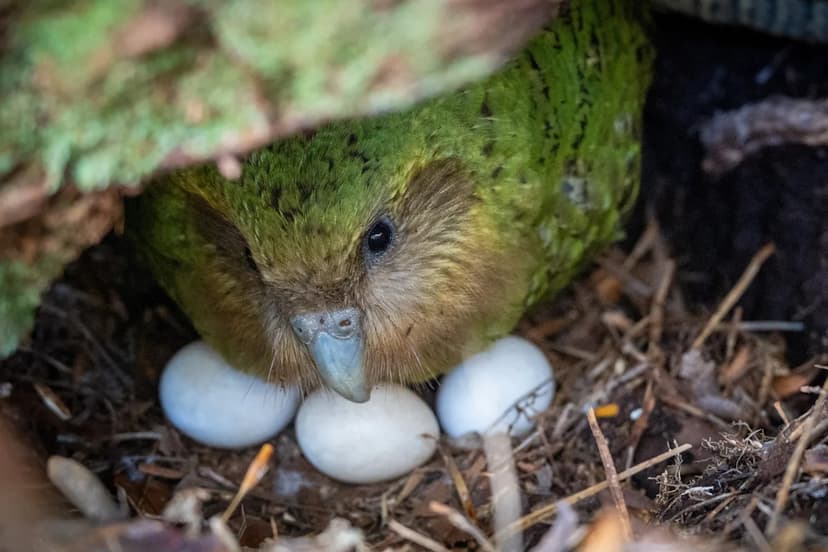
The world's only flightless parrot, the kakapo, is defying near-certain extinction with an extraordinary conservation success story. Once critically endangered, the species' population has surged from a mere 50 individuals to over 200 in the past three decades. This remarkable recovery is attributed to intensive conservation programs.
Kakapo, known for their size, distinctive appearance, and unique breeding habits, reproduce only every two to four years. This occurs in response to abundant fruit crops from native rimu trees, a critical factor for chick survival. Male kakapo attract females through a series of booming sounds and 'chings' in dug-out bowls.
Conservationists have relocated the birds to three remote, predator-free islands off New Zealand's southern coast. They meticulously manage breeding and genetic diversity, employing backpack trackers to monitor each bird. This year, a livestream of a nest provided a rare glimpse into the breeding process, highlighting the delicate nature of the species' survival.
The kakapo, alongside the kiwi, is a beloved national symbol in New Zealand, representing the country's unique and eccentric avian evolution. The ongoing efforts to save this species underscore a deep-seated national duty to protect its native wildlife.