Home / Environment / Japan's Ivory Trade: Legal Loophole Fuels Illegal Global Market
Japan's Ivory Trade: Legal Loophole Fuels Illegal Global Market
10 Dec
Summary
- Japan's legal domestic ivory market is suspected of fueling illegal global trade.
- Over 3,600 kg of ivory linked to Japan seized worldwide since 2008.
- Japan denies its national ivory market impacts elephant conservation efforts.
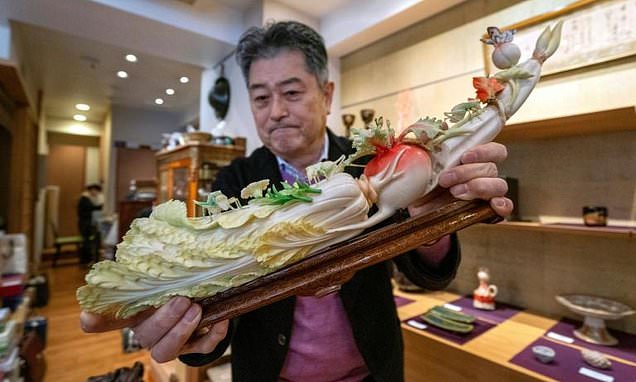
Japan's domestic ivory market, one of the world's largest, faces scrutiny as conservationists allege it fuels illegal global trade. Despite international prohibitions on elephant ivory, Japan maintains a legal market for ivory sourced from pre-ban imports and government auctions. This domestic trade, legal only within Japan, is suspected of contributing to international smuggling, undermining bans in countries like China.
Seizure data indicates a significant leakage problem, with over 3,600 kilograms of ivory linked to Japan intercepted worldwide since 2008. Dozens of these seizures were destined for China, raising concerns about weaknesses in Japan's law enforcement. African nations have called for the closure of all remaining domestic ivory markets, but Japan disputes these claims, asserting its strict control measures and denying any negative impact on elephant conservation.
The alleged leakage problem complicates efforts by China, which banned its own ivory trade in 2017. While demand for ivory has decreased in Japan, with fewer than two buyers per month according to one seller, it remains a prized commodity in Asia. Experts question Japan's tracking system for its domestic ivory, and the country has shown reluctance to curtail domestic sales, advocating instead for the 'sustainable use' of ivory stockpiles.