Home / Environment / Japan's Nuclear Revival: Reactor 6 Powers Up
Japan's Nuclear Revival: Reactor 6 Powers Up
21 Jan
Summary
- Japan restarted reactor 6 at Kashiwazaki-Kariwa, the world's largest nuclear plant.
- This restart follows the 2011 Fukushima disaster, which halted all nuclear operations.
- Nuclear power aimed for 50% of Japan's electricity but now targets 20% by 2040.
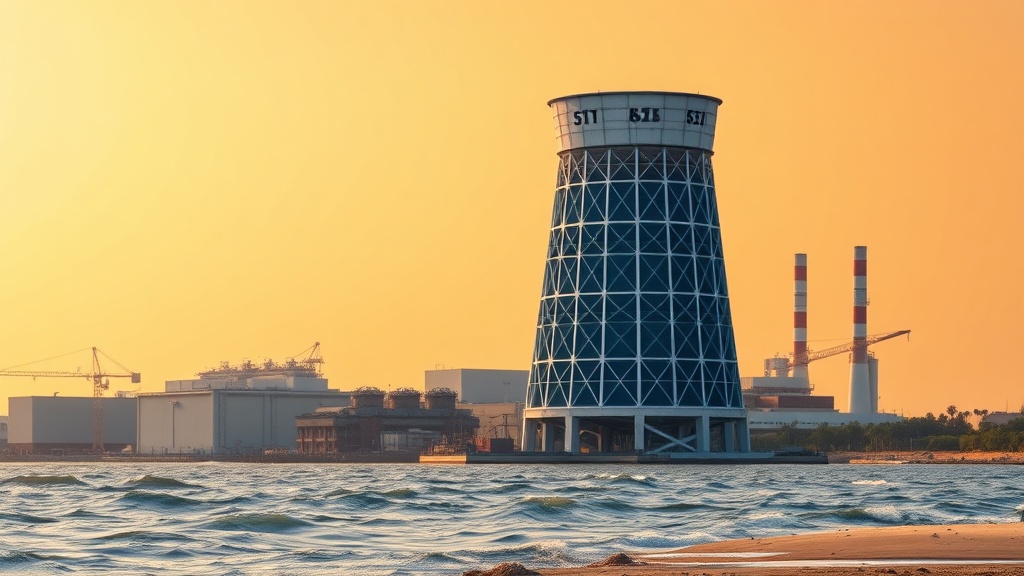
Nearly 15 years after the catastrophic Fukushima disaster, Japan has restarted reactor no.6 at the Kashiwazaki-Kariwa plant, the world's largest nuclear facility. This restart, delayed by a day due to an alarm malfunction, is a crucial step in the nation's ongoing nuclear power revitalization efforts.
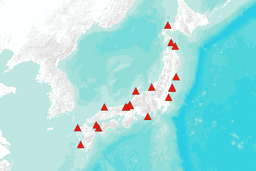
Previously, nuclear energy supplied approximately 30% of Japan's electricity. However, the 2011 meltdown, triggered by a massive earthquake and tsunami, led to the suspension of all 54 reactors. The country has since reactivated 15 out of 33 operable reactors. The Kashiwazaki-Kariwa plant's seventh reactor is not expected to resume operations until 2030, potentially reducing the plant's total capacity.
Japan's energy plan has been adjusted, with nuclear power now targeted to meet 20% of electricity demands by 2040, down from a pre-disaster goal of 50% by 2030. This shift reflects ongoing public apprehension and increased operational costs due to stringent new safety measures.