Home / Environment / Iconic Landscapes Saved: €19.2m for Peatland Restoration
Iconic Landscapes Saved: €19.2m for Peatland Restoration
3 Feb
Summary
- Northern Ireland's iconic landscapes will undergo major peatland restoration.
- A €19.2m EU Peaceplus grant funds the cross-border conservation project.
- Peatlands are vital carbon stores and help reduce flood risks.
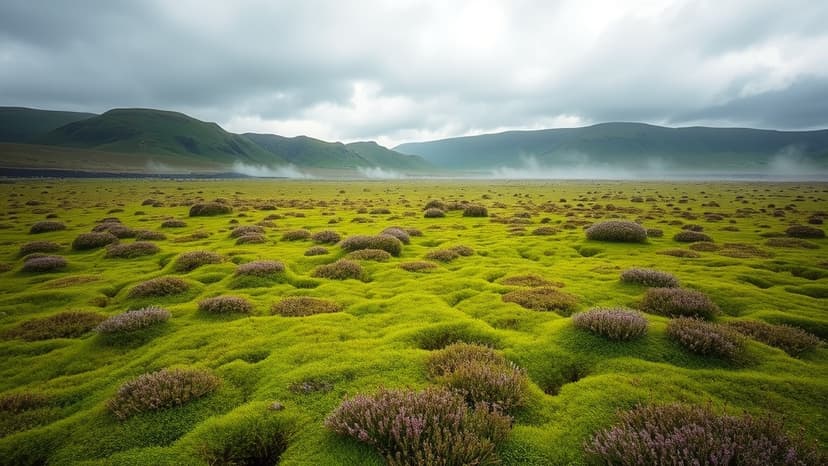
A major peatland restoration project led by Ulster Wildlife is set to rejuvenate some of Northern Ireland's most iconic landscapes. Iconic sites such as the Mourne Mountains, Sperrin Mountains, and Cuilcagh Bog are included in this significant cross-border initiative. These efforts are bolstered by a €19.2m funding package from the EU's Peaceplus programme.
The initiative, named the Peat+ Project, will span three years and involves repairing and rewetting damaged peat bogs on both sides of the Irish border. This large-scale investment in nature recovery is vital for halting and reversing biodiversity loss. Peatlands are acknowledged as nature's powerhouses, supporting rare species and offering benefits for flood risk reduction and climate change mitigation.
Despite their environmental importance, approximately 80% of peatland on the island of Ireland is in a degraded state, which contributes to carbon emissions. The project partners, including local councils, landowners, and Ireland's National Parks and Wildlife Service, aim to restore these habitats. Peatlands are Earth's largest natural carbon stores, and keeping this carbon sequestered helps slow climate change.
Restoring peatlands also aids in flood alleviation by slowing water flow and improves water quality by trapping sediment. These areas are also critical habitats for specialized species. For instance, a population of the declining Large Heath butterfly has been recently discovered at Springmount Bog, a species that conservationists aim to protect.
Historically, peat bogs were often damaged by drainage for agriculture, leading to carbon release and increased flood risks. The Peat+ Project will work to counteract this by increasing water levels in the bogs, for example, by installing peat dams to restore their capacity to hold water and function as natural sponges.