Home / Environment / Iraq's Ghost Villages: War's Scars Meet Climate Crisis
Iraq's Ghost Villages: War's Scars Meet Climate Crisis
18 Aug
Summary
- Extreme heat and water shortages plague post-war Iraqi villages.
- Climate crisis displaces thousands due to failing rural livelihoods.
- Iraq is among the world's most vulnerable to climate impacts.
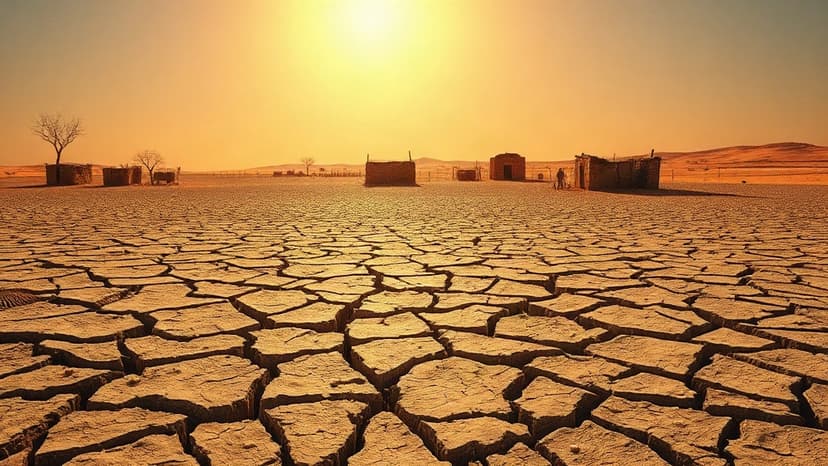
Life in northern Iraq's Sinjar district is nearly impossible a decade after the end of conflict. Villages like Faka, once home to 150 families, now stand in ruins with only about 20 families returned. The remaining residents cite water scarcity, lack of jobs, and the encroaching climate crisis as reasons for the abandonment.
Iraq is the fifth most vulnerable country to climate change impacts, with projections showing a 2.5C temperature rise by 2050. Erratic rainfall, hotter summers, and prolonged droughts are decimating agricultural production, the primary income source for rural communities. By 2035, Iraq may only meet 15% of its water needs if current trends continue.
These environmental challenges have become inseparable from migration. Over 186,000 people have been displaced by climate-related factors across Iraq as of September 2025. In villages like Tal Jado'o, groundwater levels have fallen drastically, making wells increasingly expensive to maintain and ultimately leading to depopulation.
Younger generations are leaving for cities like Mosul and Erbil in search of more reliable employment in construction, rather than unstable farming. This exodus risks the loss of an entire generation in these historically affected regions, deepening the crisis long after the initial conflict concluded.


