

Home / Environment / Iran's Skies Turn Black: Toxic Rain Falls After Oil Fires
Iran's Skies Turn Black: Toxic Rain Falls After Oil Fires
27 Mar
Summary
- Uncontrolled burning of fuel created toxic smoke and black rain.
- Pollutants like benzene may contaminate drinking water.
- Past events include black rain after the Hiroshima bombing.
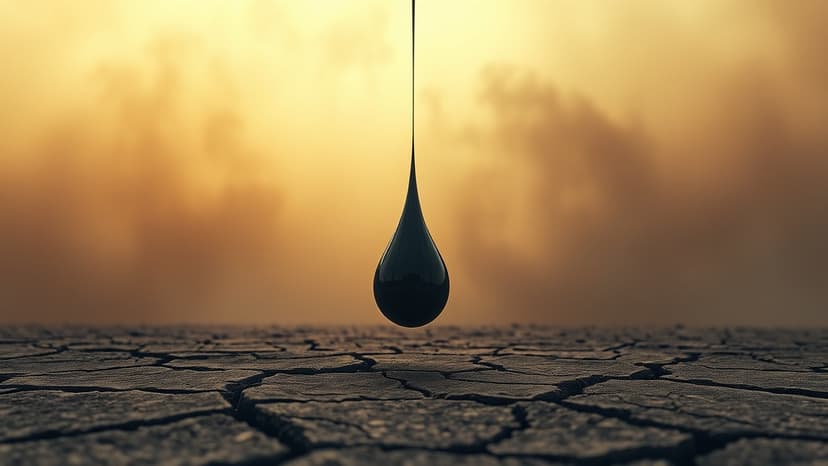
Earlier this month, Iran experienced a phenomenon known as black rain, a concerning event previously witnessed in war zones. Strikes on oil facilities resulted in the combustion of thousands of tons of fuel, releasing toxic smoke. The unburned particles from this uncontrolled burning rose into the atmosphere and acted as nuclei for raindrops.
This resulting black rain, while cleansing the air, carries the risk of depositing harmful pollutants into drinking water sources. Similar occurrences were documented after oil wells were ignited during the 1991 Gulf War in Kuwait. The most severe instance of black rain was observed in Hiroshima following the atomic bombing, consisting of radioactive ash and water.
While the black rain in Iran is considered less dangerous than the radioactive fallout in Hiroshima, it likely contains hazardous substances such as benzene and toluene, known carcinogens. This polluted rainfall could also harm vegetation and crops. Should further strikes impact oil sites, the event of black rain may recur, with lasting consequences beyond the conflict's end.
