Home / Environment / Invasive Crayfish Threaten UK Rivers
Invasive Crayfish Threaten UK Rivers
26 Aug
Summary
- Signal crayfish escaped farms in the 1970s, becoming invasive.
- They carry a deadly plague fatal to native white-clawed crayfish.
- Invasive crayfish cause riverbank erosion and disrupt ecosystems.
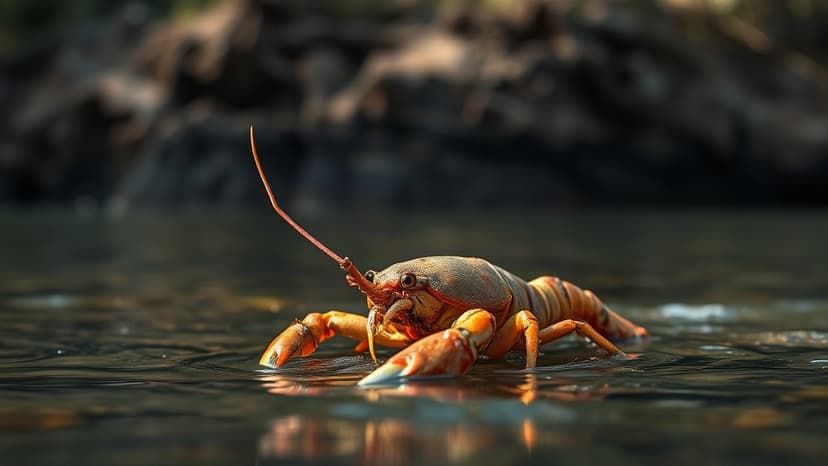
North American signal crayfish were imported to the UK in the 1970s for aquaculture but escaped into the wild. These larger, faster-growing, and more aggressive crustaceans quickly out-competed native white-clawed crayfish for resources. Their unchecked spread across England, Wales, and Scotland has led to significant ecological damage.
A primary threat posed by signal crayfish is the transmission of crayfish plague, a disease to which native species have no immunity. This pathogen, rarely affecting the signal crayfish themselves, has caused mass die-offs of white-clawed crayfish, contributing to their endangered status.
Beyond disease, signal crayfish significantly alter river ecosystems. Their burrowing habits weaken riverbanks, leading to erosion. Furthermore, their voracious appetite decimates native aquatic insects and fish eggs, disrupting food webs and simplifying complex freshwater habitats.
A recent incident in autumn 2024 saw deaths among white-clawed crayfish in Northumberland, but investigations ruled out crayfish plague and noted some recovery. This event highlighted native species' vulnerability.
Government policy now recognizes signal crayfish as a harmful invasive species, informing stricter import and movement regulations for aquatic life. Conservation efforts include establishing isolated "ark sites" for native crayfish breeding and educating the public on preventing further spread through the 'Check, Clean, Dry' protocol.


