Home / Environment / Invasive Lionfish Devour North Carolina Ecosystems
Invasive Lionfish Devour North Carolina Ecosystems
19 Mar
Summary
- Lionfish, invasive to North Carolina, are devastating local marine ecosystems.
- These fish have few native predators and reproduce rapidly.
- Eradication is impossible; management focuses on removal and consumption.
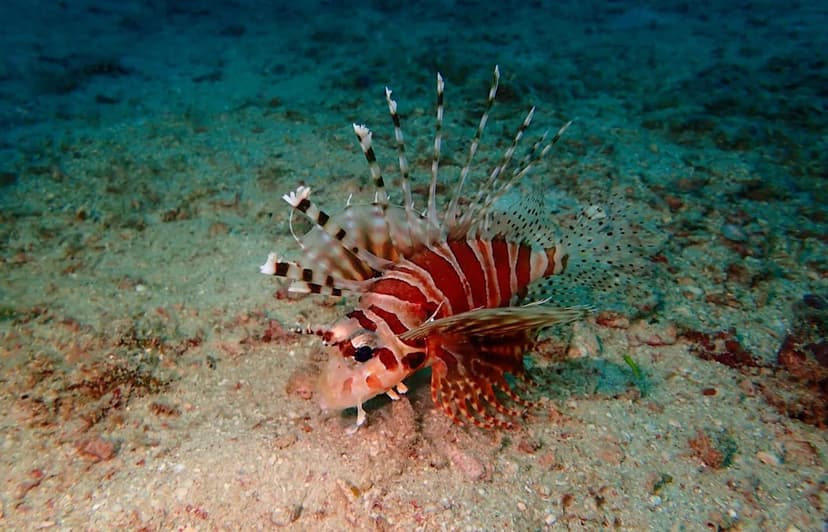
Introduced to North Carolina waters about 25 years ago, invasive lionfish have rapidly become a dominant predator, posing a significant threat to the local marine ecosystem. Originally from the Indian and western Pacific Oceans, these fish were likely introduced through the aquarium trade. Their rapid population growth is attributed to ideal Atlantic conditions, a lack of native predators, a varied diet, and fast reproduction rates.
Experts acknowledge that complete eradication of the lionfish population is not feasible due to their widespread presence and reproductive capabilities. Current management efforts focus on population reduction through targeted removal dives and promoting lionfish as a sustainable food source. The ecological impact extends beyond North Carolina, with lionfish also affecting marine life in Florida, Cyprus, and Turkey. Public perception is shifting towards viewing lionfish as a culinary option, encouraging anglers to help control their numbers.