

Home / Environment / Invasive Joro spiders spread north: What you need to know
Invasive Joro spiders spread north: What you need to know
28 Mar
Summary
- Joro spiders, native to East Asia, have spread to several US states since 2014.
- Female Joro spiders are large, with vibrant yellow and blue-black coloring.
- These invasive spiders can outcompete native orb weavers, impacting local ecosystems.
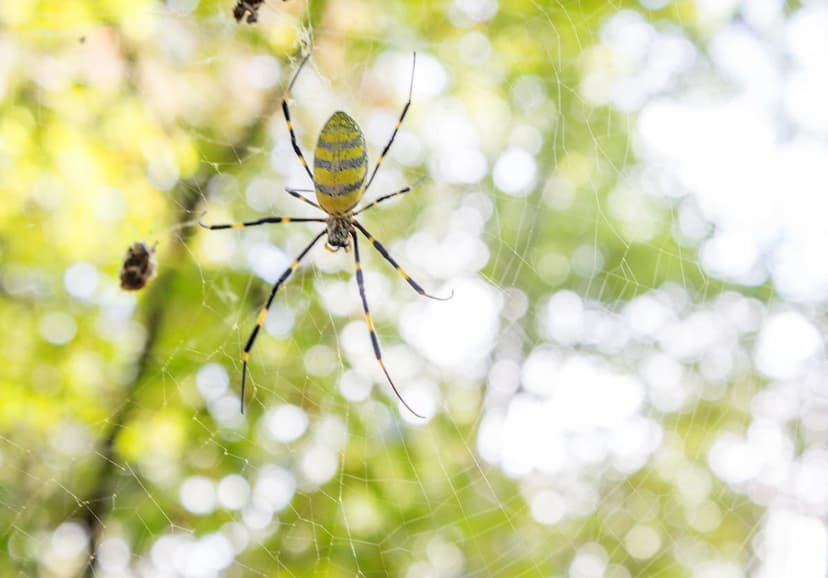
The arrival of spring signals the proliferation of the invasive Joro spider, a species originally from East Asia. First identified in northeast Georgia in 2014, these spiders have since expanded their territory to include North Carolina, South Carolina, and Tennessee, among other states. Female Joro spiders are easily recognizable by their striking yellow and blue-black coloration and significant size, measuring up to 1.2 inches.
While Joro spiders hatch in April and May and are typically most active from August to October, they may appear earlier. Their spread has been observed moving northward, prompting efforts to monitor their populations. Experts note that Joro spiders can significantly impact native ecosystems by outcompeting local orb-weaving spider species, leading to a decline in their numbers.
These spiders were likely introduced to the U.S. via shipping containers and continue to disperse by hitching rides on vehicles. Despite their formidable appearance, Joro spiders are not considered dangerous to humans, with their bites comparable to bee stings and unlikely to penetrate human skin effectively due to small fangs. However, their presence is a concern for biodiversity.
