Home / Environment / Invasive Hornets Invade South Carolina Beehives
Invasive Hornets Invade South Carolina Beehives
13 Jul
Summary
- Yellow-legged hornets, native to Southeast Asia, arrived in South Carolina in late 2023.
- These hornets decapitate honeybees to feed on their abdomens.
- Efforts are underway to track, trap, and remove nests to protect native bee populations.
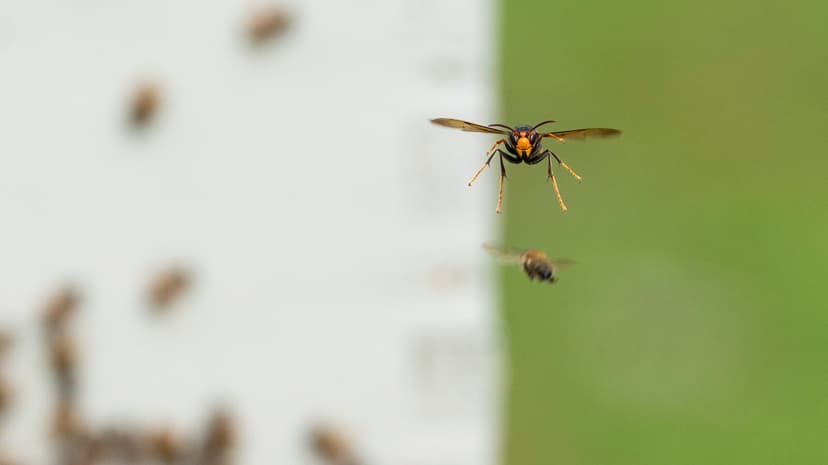
Yellow-legged hornets, a non-native species from Southeast Asia, were first identified in South Carolina in late 2023. These insects have since spread rapidly throughout the state's Lowcountry region, posing a significant threat to native honeybee populations. The hornets are known for their aggressive predatory behavior, decapitating bees to consume their nutritious abdomens.
Local beekeepers, like Jackie Currie, are observing their bees' distress as they face these formidable predators. South Carolina's apiary inspector, Brad Cavin, is leading intensive efforts to combat the invasion. His team has been actively tracking and removing yellow-legged hornet nests, with hundreds already destroyed in the current year.
Combating the spread involves a multi-pronged approach including public reporting systems, extensive trapping using a specialized bait called 'Georgia juice,' and advanced tracking techniques like marking hornets with paint or attaching electronic trackers. Removal experts are then deployed to safely eradicate the nests, which can grow to be quite large.
These invasive hornets have also been documented in other parts of the world, including Europe since 2004. Their presence in South Carolina and neighboring Georgia, a major honey-producing state, creates a significant ecological and economic challenge. Ongoing efforts aim to protect the region's bee colonies from this devastating pest.


