feedzop-word-mark-logo
searchLogin
Feedzop
homeFor YouUnited StatesUnited States
You
bookmarksYour BookmarkshashtagYour Topics
Trending
trending

Steam servers face widespread outage

trending

Nvidia buying AI startup Groq

trending

College bowl game today

trending

Los Angeles tornado warning issued

trending

NBA Christmas Day schedule

trending

Ivory Coast beats Mozambique

trending

Pistons seek 14th straight win

trending

Bowers, Chinn injured reserve

trending

James Nnaji commits to Baylor

Terms of UsePrivacy PolicyAboutJobsPartner With Us

© 2025 Advergame Technologies Pvt. Ltd. ("ATPL"). Gamezop ® & Quizzop ® are registered trademarks of ATPL.

Gamezop is a plug-and-play gaming platform that any app or website can integrate to bring casual gaming for its users. Gamezop also operates Quizzop, a quizzing platform, that digital products can add as a trivia section.

Over 5,000 products from more than 70 countries have integrated Gamezop and Quizzop. These include Amazon, Samsung Internet, Snap, Tata Play, AccuWeather, Paytm, Gulf News, and Branch.

Games and trivia increase user engagement significantly within all kinds of apps and websites, besides opening a new stream of advertising revenue. Gamezop and Quizzop take 30 minutes to integrate and can be used for free: both by the products integrating them and end users

Increase ad revenue and engagement on your app / website with games, quizzes, astrology, and cricket content. Visit: business.gamezop.com

Property Code: 5571

Home / Environment / Invasive Fish Invade Mediterranean, Threatening Cyprus Fisheries

Invasive Fish Invade Mediterranean, Threatening Cyprus Fisheries

27 Dec

•

Summary

  • Invasive lionfish and toadfish from Red Sea are devastating Mediterranean fish stocks.
  • Warmer waters due to climate change are fueling the spread of invasive species.
  • EU and local efforts include culling fish and promoting lionfish as a delicacy.
Invasive Fish Invade Mediterranean, Threatening Cyprus Fisheries

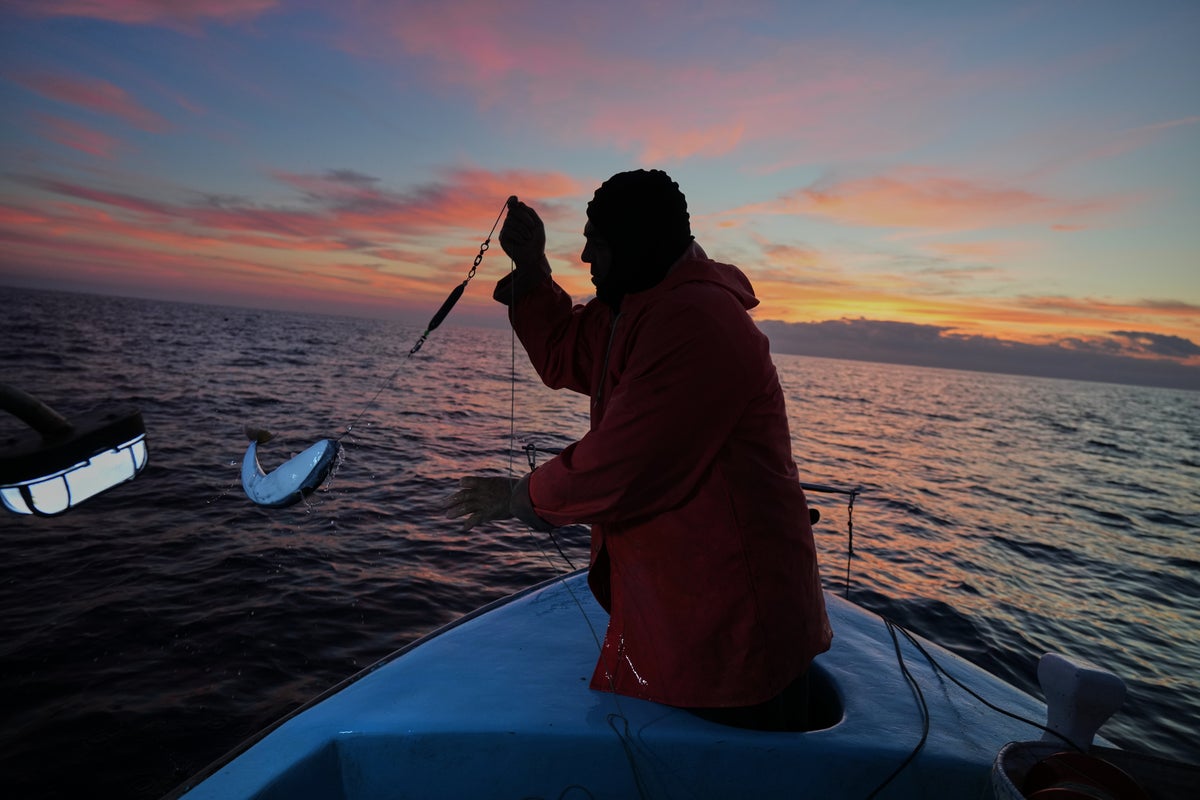
Invasive species, primarily lionfish and silver-cheeked toadfish originating from the Red Sea, are severely impacting Mediterranean marine ecosystems and the livelihoods of fishermen, especially in Cyprus. These aggressive newcomers, like the venomous lionfish and the net-destroying, toxic toadfish, have no natural predators and are rapidly depleting native fish stocks. Warmer sea temperatures, exacerbated by climate change, are facilitating their proliferation across the Mediterranean basin, with models predicting a full swarm of lionfish by the end of the century.

Fishermen like Photis Gaitanos, who has fished for 40 years, report a significant drop in their income due to the decline of traditional catches such as sea bream and red mullet. The invasive species not only reduce catch quantities but also damage fishing gear, increasing operational costs. European Union officials acknowledge the severity of the issue, linking extreme weather events to the hospitable conditions created for these invaders, posing a substantial threat to native biodiversity and the EU's fishing industry.

To combat this crisis, various initiatives are being implemented. The EU offers compensation programs, paying fishermen to catch toadfish for incineration. Projects like RELIONMED employ divers to cull lionfish in protected areas, though this is not a permanent solution. A campaign, #TasteTheOcean, promotes invasive species, including lionfish, as a sustainable delicacy, with chefs and restaurants in Cyprus introducing them to menus. Lionfish are now competitively priced, offering a potential economic opportunity and a way to mitigate the environmental threat.

Disclaimer: This story has been auto-aggregated and auto-summarised by a computer program. This story has not been edited or created by the Feedzop team.
Invasive species are reducing native fish stocks, causing significant income loss for fishermen and damaging their fishing gear.
Climate change is warming the Mediterranean waters, making them more hospitable for invasive species from other regions.
Efforts include culling invasive fish, paying fishermen to catch them, and promoting lionfish as a food source.

Read more news on

Environmentside-arrow

You may also like

Kent Coastline Sees Mass Starfish Die-Off

14 hours ago • 5 reads

article image

Scientists Brave Twilight Zone for Ocean Secrets

20 Dec • 42 reads

article image

Serengeti Rains Fuel Bigger Wildfires

17 Dec • 66 reads

article image

Arctic Thaw: Hunter's Fear for Culture

13 Dec • 95 reads

article image

Bengaluru Lakes Dying: Invasive Species Outcompete Natives

3 Dec • 118 reads

article image