Home / Environment / Invasive Fish Invade Mediterranean, Threatening Cyprus Fisheries
Invasive Fish Invade Mediterranean, Threatening Cyprus Fisheries
27 Dec, 2025
Summary
- Invasive lionfish and toadfish from Red Sea are devastating Mediterranean fish stocks.
- Warmer waters due to climate change are fueling the spread of invasive species.
- EU and local efforts include culling fish and promoting lionfish as a delicacy.

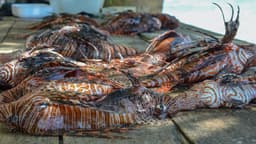
Invasive species, primarily lionfish and silver-cheeked toadfish originating from the Red Sea, are severely impacting Mediterranean marine ecosystems and the livelihoods of fishermen, especially in Cyprus. These aggressive newcomers, like the venomous lionfish and the net-destroying, toxic toadfish, have no natural predators and are rapidly depleting native fish stocks. Warmer sea temperatures, exacerbated by climate change, are facilitating their proliferation across the Mediterranean basin, with models predicting a full swarm of lionfish by the end of the century.
Fishermen like Photis Gaitanos, who has fished for 40 years, report a significant drop in their income due to the decline of traditional catches such as sea bream and red mullet. The invasive species not only reduce catch quantities but also damage fishing gear, increasing operational costs. European Union officials acknowledge the severity of the issue, linking extreme weather events to the hospitable conditions created for these invaders, posing a substantial threat to native biodiversity and the EU's fishing industry.