Home / Environment / Hidden Threat: Asian Swamp Eels Devastate Wetlands
Hidden Threat: Asian Swamp Eels Devastate Wetlands
25 Aug
Summary
- Invasive Asian swamp eels are decimating native prey in Florida's wetlands.
- Crayfish populations have plummeted by approximately 99% in affected areas.
- Eels survive dry spells by hiding in mud, re-emerging to prey on native species.
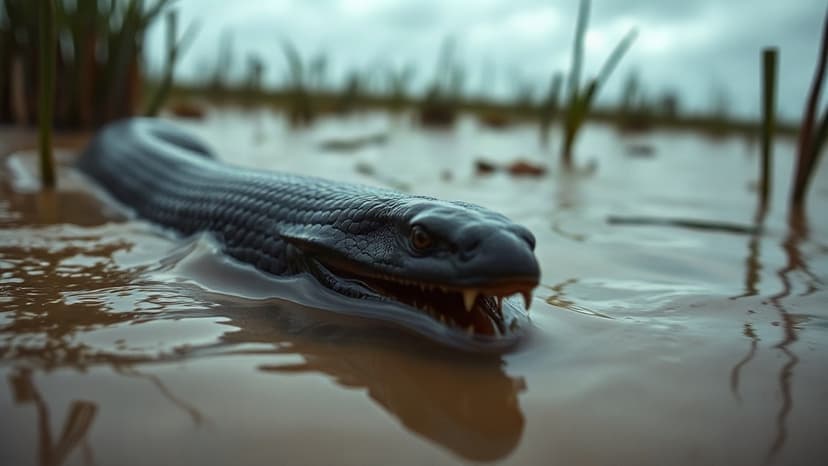
In Florida's intricate canal and wetland systems, a stealthy invader, the Asian swamp eel, is causing significant ecological disruption. First detected in the late 1990s, these eels have spread from initial populations near Tampa and Miami, raising concerns among biologists about their impact on the Everglades food web. The eels prey on smaller aquatic animals like crayfish, tadpoles, and small fish, which form the base of the ecosystem. Evidence suggests a dramatic decline, with crayfish numbers falling by approximately 99% in some parts of Everglades National Park. These changes are compounded by other environmental pressures the region faces.
The Asian swamp eel's survival strategy complicates the natural rhythms of the Everglades. While many native species struggle during dry spells, the eels can burrow into mud and survive, only to reappear when water returns. This allows them to prey on vulnerable young native species, reducing opportunities for native amphibians and fish populations to recover. Research published in Aquatic Invasions highlights the species' significant spread and hydrologic tolerance over 27 years, well beyond its initial introduction points.
The impact extends to amphibian populations, which have seen an estimated 80% decline between 1996 and 2019, according to a study in Scientific Reports. Areas with established swamp eel populations show a distinct lack of aquatic amphibians. While tree frogs have shown some resilience by utilizing less accessible vegetation, the overall trend points to the invasive eels as a major contributing factor to species disappearance. The eels' northward movement, with populations reported as far north as the Atlanta area, raises concerns about their potential to spread into new environments.
Monitoring these elusive eels presents a challenge due to their habit of hiding in mud and vegetation. Scientists are employing advanced techniques like environmental DNA (eDNA) to detect their presence. Public reports from anglers and residents are also crucial for early detection and intervention. The ability to remove small numbers of eels from newly established sites is critical, as tackling large, widespread populations in interconnected waterways is significantly more difficult and costly.


