Home / Environment / Indonesia Breathes Microplastics: A Silent Crisis
Indonesia Breathes Microplastics: A Silent Crisis
7 Sep
Summary
- Indonesia leads the world in microplastic consumption and airborne particles.
- Plastic fires release toxic microplastics into the air and water.
- Scientists warn microplastics cause disease and premature death.
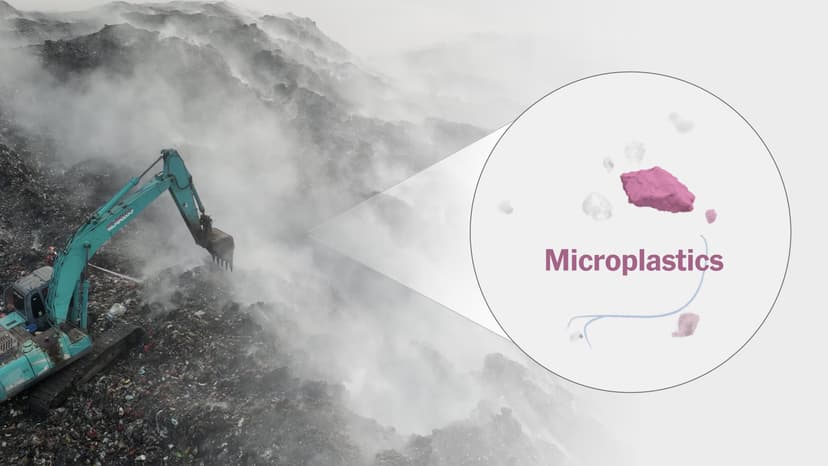
Indonesia is grappling with a significant microplastic pollution crisis, exacerbated by the open burning of waste, a practice illegal yet widespread across the country. In July, a 10-day fire at the Jatiwaringin landfill released vast amounts of microplastics into the atmosphere, leading to respiratory illnesses in the surrounding population.
Scientific studies reveal Indonesia's alarming position as a global leader in microplastic ingestion and airborne particle concentration. Researchers estimate individuals consume approximately 15 grams of plastic monthly, with Jakarta registering the highest levels of microplastics in the air.
These microscopic plastic fragments, less than 5 millimeters in length, pose serious health risks. Emerging research suggests links between microplastic exposure and inflammation, cell damage, and potentially higher risks of heart attack and stroke. Scientists express grave concern, with some stating microplastics are undeniably causes of disease and premature death.
The pervasive contamination stems from the nation's ongoing struggles with plastic waste management. Factors such as synthetic fabric washing and tire wear also contribute. The Indonesian government has set a 2027 deadline to phase out open dumping, though environmentalists are skeptical of its timely implementation.
While the science on microplastics' full impact on human health is still evolving, experts emphasize the importance of limiting exposure. Measures like wearing masks during dry seasons and improving waste management infrastructure are being considered and implemented.


