Home / Environment / Indigenous Voices Loud, But Unheard at COP30
Indigenous Voices Loud, But Unheard at COP30
23 Nov, 2025
Summary
- Indigenous attendees felt visible but lacked true empowerment at COP30.
- COP30 text acknowledged Indigenous rights, a first, yet action fell short.
- Fossil fuel phase-out and carbon market ideas were notably absent.
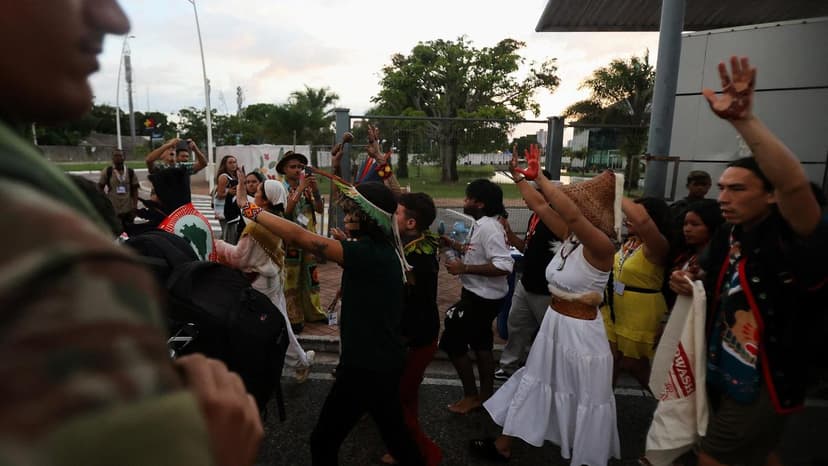
Indigenous communities gathered in Belem, Brazil, for the COP30 climate talks, aiming to amplify their voices on critical environmental issues. While the conference provided a platform for visibility and solidarity among global tribes, many attendees expressed that this presence did not translate into genuine empowerment or impactful policy changes.
The summit's final texts included acknowledgments of Indigenous rights and traditional knowledge, a step celebrated by some. However, a significant shortfall was the absence of concrete commitments to phase out fossil fuels and the promotion of carbon market mechanisms, which critics argue offer false solutions and perpetuate environmental harm.
Despite disappointment over unmet expectations for policy action, many Indigenous participants found strength in collective demonstrations and community building during the talks. The protests highlighted ongoing struggles and underscored the persistent call for meaningful participation and decisive climate action that respects Indigenous sovereignty and the natural world.


