feedzop-word-mark-logo
searchLogin
Feedzop
homeFor YouUnited StatesUnited States
You
bookmarksYour BookmarkshashtagYour Topics
Trending
Terms of UsePrivacy PolicyAboutJobsPartner With Us

© 2026 Advergame Technologies Pvt. Ltd. ("ATPL"). Gamezop ® & Quizzop ® are registered trademarks of ATPL.

Gamezop is a plug-and-play gaming platform that any app or website can integrate to bring casual gaming for its users. Gamezop also operates Quizzop, a quizzing platform, that digital products can add as a trivia section.

Over 5,000 products from more than 70 countries have integrated Gamezop and Quizzop. These include Amazon, Samsung Internet, Snap, Tata Play, AccuWeather, Paytm, Gulf News, and Branch.

Games and trivia increase user engagement significantly within all kinds of apps and websites, besides opening a new stream of advertising revenue. Gamezop and Quizzop take 30 minutes to integrate and can be used for free: both by the products integrating them and end users

Increase ad revenue and engagement on your app / website with games, quizzes, astrology, and cricket content. Visit: business.gamezop.com

Property Code: 5571

Home / Environment / Wildlife Battles: India's Human-Animal Conflict Crisis

Wildlife Battles: India's Human-Animal Conflict Crisis

18 Jan

•

Summary

  • Human infrastructure expansion leads to increased conflicts with wild animals.
  • Elephants damage crops and fences, while train collisions kill wildlife.
  • Dwindling vulture populations create public health risks from carcasses.
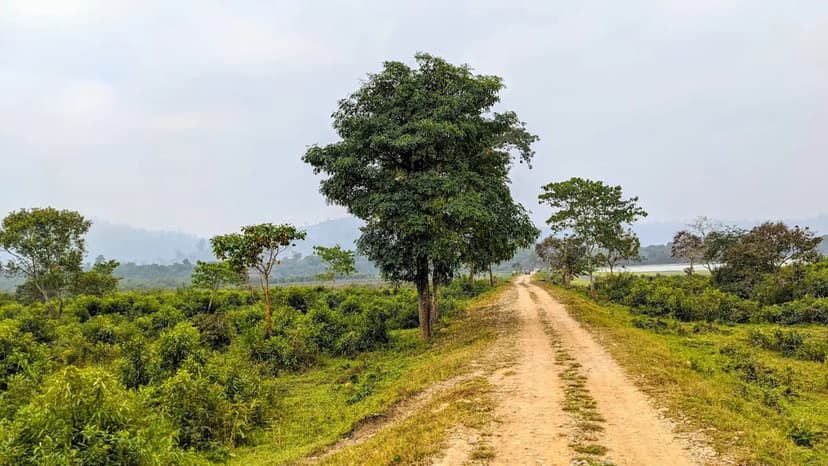
Wildlife Battles: India's Human-Animal Conflict Crisis

Human infrastructure expansion in India is increasingly leading to dangerous conflicts with wildlife, threatening conservation efforts and local communities. Herds of elephants are trampling vital crops and destroying fences, while train collisions have become a significant cause of mortality for species like elephants and tigers. These escalating conflicts underscore the delicate balance required between human development and environmental protection.

The consequences of human-wildlife conflict extend beyond immediate damage, impacting the broader ecosystem and public health. A notable example is the dwindling vulture population, largely a result of human actions. This decline has led to unmanaged animal carcasses, posing public health threats in areas where vultures once played a crucial role in decomposition.

Addressing this pressing issue necessitates comprehensive national-level planning and collaborative efforts. Initiatives like installing elephant-friendly fences and restoring traditional animal migration corridors are being developed to mitigate these conflicts. Such measures aim to foster coexistence and ensure the sustainable development that protects biodiversity.

trending

HAL shares tumble after AMCA

trending

Cognizant profit rises 18.7%

trending

realme P4 Power 5G launched

trending

Qualcomm stock falls on shortages

trending

JSW Cement Q3 profit rises

trending

Pakistan India T20 boycott

trending

Trent share price cautious outlook

trending

MHADA sale postponed

trending

Bharat Taxi launches in Delhi

Disclaimer: This story has been auto-aggregated and auto-summarised by a computer program. This story has not been edited or created by the Feedzop team.
Elephants are encroaching on farmlands due to habitat loss from human infrastructure, leading them to trample crops and damage fences.
Fewer vultures mean animal carcasses are not cleaned up as efficiently, which can lead to public health risks.
India is developing plans for elephant-friendly fences and restoring animal migration corridors to reduce conflicts.

Read more news on

Indiaside-arrowEnvironmentside-arrow

You may also like

Uttarakhand Carnivore Crisis: 749 Leopards, 86 Tigers Lost Since 2020

31 Jan • 29 reads

article image

Virus Mutates: Low R Number, High Risk?

29 Jan • 41 reads

article image

Sports Teams' Animal Mascots: Facing Extinction?

18 Jan • 91 reads

article image

Assam Man Becomes Wildlife Guardian, Fights Poachers

11 Jan • 141 reads

Nepal's Wild Kingdom: Human-Wildlife Conflict Escalates

10 Jan • 170 reads

article image