Home / Environment / India's Water Crisis: Running Dry as Demands Rise
India's Water Crisis: Running Dry as Demands Rise
27 Feb
Summary
- India faces severe water stress, ranking 120th globally in water quality.
- Groundwater extraction exceeds recharge, with 70% of sources contaminated.
- Climate change exacerbates water scarcity, causing GDP loss and health issues.

India is experiencing a critical water crisis, characterized by scarcity, pollution, and floods, exacerbated by climate change. Nearly 600 million people face high water stress, and the country ranks 120th out of 122 nations for water quality.
Groundwater, vital for irrigation and supply, is being extracted unsustainably. In 2023, approximately 70% of groundwater sources were contaminated with nitrates, fluoride, arsenic, and other pollutants. Coastal regions also face increasing salinity.
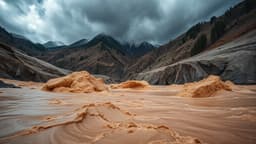
Rivers are drying up rapidly, with some like the Ganga experiencing unprecedented decline. These waterways are heavily polluted with sewage, industrial waste, and chemicals, entering the food chain and human bodies.
Climate change is increasing the frequency and intensity of droughts and floods, leading to significant GDP losses and intergenerational health impacts. Projections indicate India's water demand could double available supply by 2030.
As of early 2026, the world is in a state of 'water bankruptcy,' underscoring the urgency for India to implement efficient water conservation, management, and cleanup initiatives. Future development must consider its water footprint and impact on communities.