Home / Environment / Circular Water: India's Next Revolution
Circular Water: India's Next Revolution
20 Mar
Summary
- India faces critical water scarcity with 18% population, 4% freshwater.
- Wastewater reuse potential is immense, yet treatment is low.
- Shifting subsidies to performance rewards water productivity.
India, home to 18% of the world's population and possessing only 4% of its freshwater, is facing an escalating water crisis. The nation's historical approach of extraction, consumption, and discharge is no longer viable given resource constraints and ecological volatility.
A paradigm shift towards circular water management is urgently needed. This framework views water not as a disposable commodity but as a continuously recoverable resource. Protecting natural sources and mainstreaming treated wastewater are vital components of this approach.
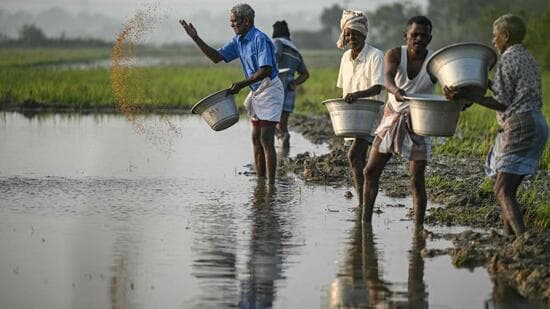
Agriculture, which accounts for 91% of India's freshwater withdrawals, requires significant improvements in irrigation efficiency. Industries must also adopt zero-liquid-discharge principles. Policy changes, moving from volume-based subsidies to performance-based incentives, are essential for rewarding water productivity.
Enhancing water storage through revived traditional systems and modern techniques like rainwater harvesting can build resilience. Decentralized, community-led governance is key to improving distribution and ensuring equitable access. The future depends on integrating nature-based solutions with digital tools for efficient and sustainable water management.