

Home / Environment / India's Deadly 'Big Four' Snakes Revealed
India's Deadly 'Big Four' Snakes Revealed
27 Apr
Summary
- Indian cobras, kraits, Russell's viper, and saw-scaled viper are the most dangerous.
- Venoms affect nervous, clotting, and tissue systems, causing paralysis or bleeding.
- Understanding snakes aids prevention and timely medical treatment.
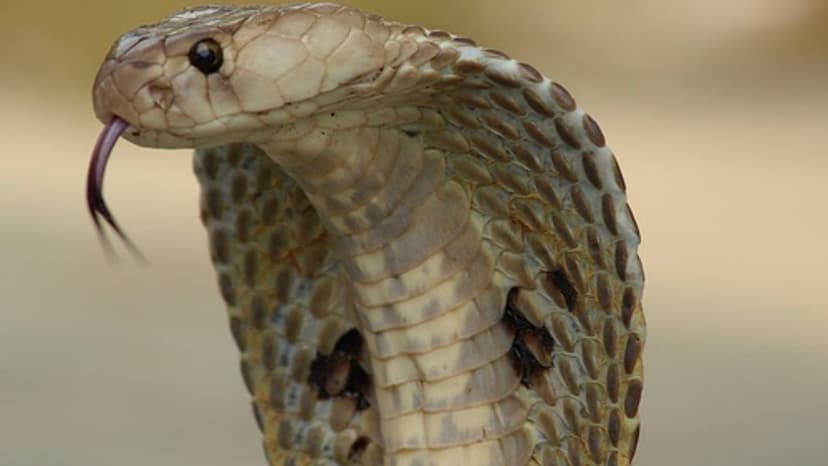
India's diverse ecosystems host numerous snake species, many highly venomous and posing a public health concern, especially in rural areas. Understanding these species is key to managing risks.
The 'Big Four' – Indian cobra, common krait, Russell's viper, and saw-scaled viper – are responsible for most dangerous encounters. Their venoms work differently: neurotoxins attack the nervous system, while hemotoxins disrupt blood clotting and cause tissue damage.
Other notable venomous snakes include the formidable King Cobra, banded krait, hump-nosed pit viper, Malabar pit viper, Indian coral snake, and the Andaman cobra. While some, like the King Cobra, tend to avoid humans, their potent venom demands respect and caution.
Awareness of snake behavior, common habitats, and the specific effects of their venom can significantly reduce fear and improve response times to bites. This knowledge is vital for ecological balance and human safety.
