Home / Environment / India's deltas sinking due to human activity
India's deltas sinking due to human activity
22 Jan
Summary
- Indian river deltas are sinking primarily due to human activities.
- Satellite data from 2014-2023 revealed significant land subsidence.
- Subsidence causes increased flooding and saltwater intrusion.
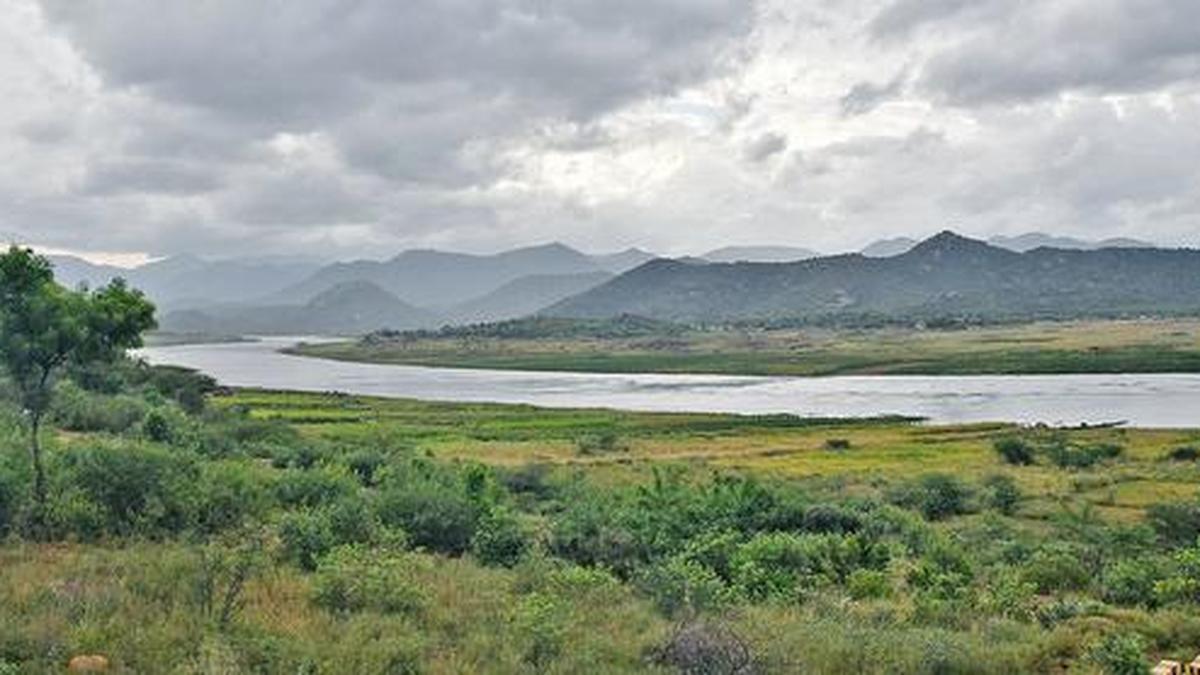
A recent international study has revealed a significant and systemic drop in land elevation across India's major river deltas, with human activities identified as the primary cause. Researchers utilized data from the European Space Agency's Sentinel-1 satellite, collected between 2014 and 2023, to map subsidence rates.
Six Indian deltas, including the Ganges-Brahmaputra, Brahmani, Mahanadi, Godavari, Cauvery, and Kabani, were found to be sinking. In several of these, particularly the Ganges-Brahmaputra, Brahmani, and Mahanadi deltas, over 90% of their area is affected. The subsidence rates in some deltas even surpass the regional sea-level rise.
Unsustainable groundwater extraction is a major driver in the Ganges-Brahmaputra and Cauvery deltas, while rapid urbanization heavily impacts the Brahmani delta. The Mahanadi and Kabani deltas are affected by a combination of groundwater depletion, reduced sediment flow, and population pressure. Kolkata's subsidence is exacerbated by the city's immense weight and resource consumption.
The consequences of this land sinking are severe, including heightened coastal and river flooding, permanent land loss, saltwater intrusion into freshwater sources, and damage to critical infrastructure like ports and transportation networks. The study highlights a critical shift, especially for the Ganges-Brahmaputra delta, which has moved from a latent threat to an urgent crisis with stagnant institutional capacity for management.
The research, published in Nature on January 14, acknowledges limitations, such as potential inaccuracies in groundwater storage data for smaller deltas and the non-global representativeness of the 40 studied deltas. Despite these caveats, the findings underscore an urgent environmental crisis exacerbated by human interventions accelerating natural geological processes.