Home / Environment / Rhino Recovery: India's Triumph Over Extinction
Rhino Recovery: India's Triumph Over Extinction
21 Sep
Summary
- Rhino population increased by 170%, now over 4,000.
- A Rs 77.39 crore strategy aims to expand rhino habitats.
- Grassland restoration and climate resilience are key.
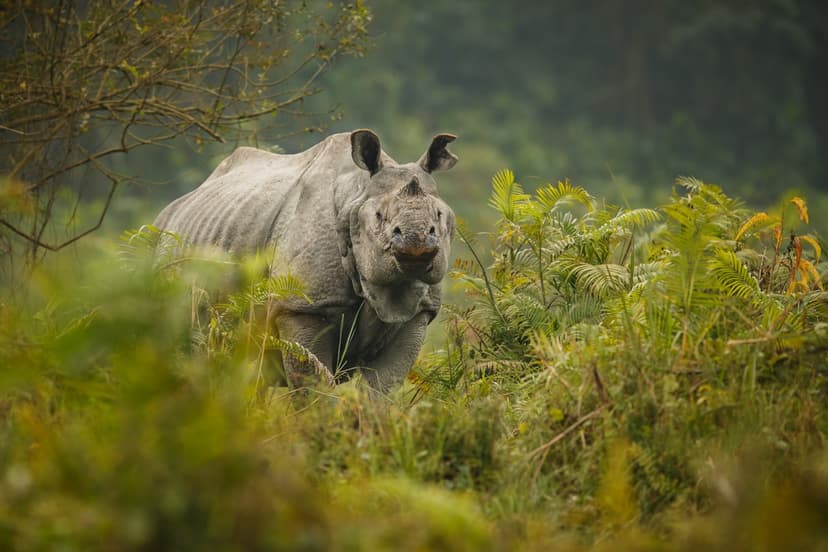
India is a leading custodian of the greater one-horned rhinoceros, with its population surging by approximately 170% from around 1,500 to over 4,000 as of September 2024. This success is a testament to a national conservation strategy launched in 2019, focusing on strengthening existing populations and restoring the species to suitable former habitats.
A comprehensive five-year Phase I program, budgeted at Rs 77.39 crore, will commence in 2026, involving Assam, Arunachal Pradesh, Bihar, Uttar Pradesh, and West Bengal. This initiative prioritizes scientific monitoring, protection, habitat restoration, and translocation planning, aiming to consolidate current populations and expand into new areas.
The rhino's survival is intrinsically linked to healthy grasslands and wetlands, which also support diverse wildlife. Recognizing this, India is investing Rs 20.86 crore in assessing grassland conditions and developing management guidelines. Climate resilience is also a growing focus, with strategies to manage habitats at a landscape scale and ensure access to higher ground during extreme weather events.
Technological advancements in surveillance and monitoring are enhancing traditional conservation efforts. Equally vital are the dedicated forest guards and local communities whose collaboration is essential for the species' long-term future. India also participates in international conservation efforts, as demonstrated by the New Delhi Declaration.
The rhino's recovery signifies that decline is not irreversible when society acts with determination. Protecting these animals means safeguarding vital ecosystems and demonstrating that conservation is a shared national responsibility and achievement.


