Home / Environment / Brands Must Own Plastic Waste: Punjab Leads the Way
Brands Must Own Plastic Waste: Punjab Leads the Way
26 Mar
Summary
- India generates 10.2 million tonnes of plastic waste annually.
- Brands are urged to take responsibility for plastic waste generation.
- Punjab leads efforts to implement effective Extended Producer Responsibility.
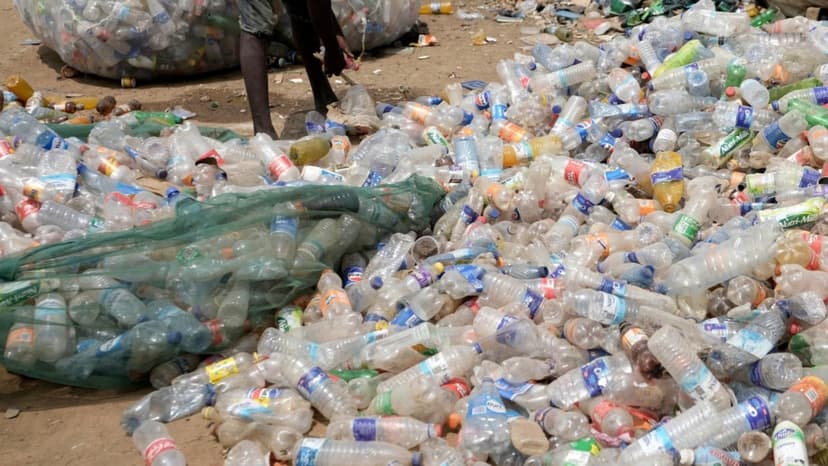
India confronts a severe plastic pollution crisis, generating approximately 10.2 million tonnes of plastic waste annually. This situation reflects a societal shift from eco-friendly traditions to a consumerist model where convenience and profit often overshadow environmental impact. Multi-layer and single-use plastics have largely replaced sustainable alternatives, leading to vast amounts of non-biodegradable waste.
The country's regulatory framework, including the Plastic Waste Management Rules and Extended Producer Responsibility (EPR) concepts, aims to address this. However, challenges persist, such as geo-neutral targets and inadequate verification systems, highlighted by instances of fake EPR certificates. The Punjab Pollution Control Board (PPCB) has initiated a brand audit to pinpoint major plastic waste contributors within the state.
This audit seeks to shift responsibility towards brands, encouraging them to invest in waste retrieval mechanisms. The PPCB is promoting incentive-based consumer schemes and direct investment in waste management infrastructure, advocating that the burden should not solely rest on citizens and municipalities. Punjab is leading this charge, aiming for genuine brand accountability for a cleaner environment.
Ultimately, this push for effective EPR aims to achieve greater public and environmental good. By holding polluters accountable, the goal is to ensure that the collective market capital of brands is surpassed by the positive outcomes for waste management and environmental health, setting a precedent for other states to follow.