

Home / Environment / India's Jungle Cats: More Than 'Least Concern'
India's Jungle Cats: More Than 'Least Concern'
30 Mar
Summary
- Jungle cats, despite 'least concern' status, face shrinking populations.
- A new study used over 26,000 camera-trap records for analysis.
- Human pressure and habitat loss are primary threats to jungle cats.
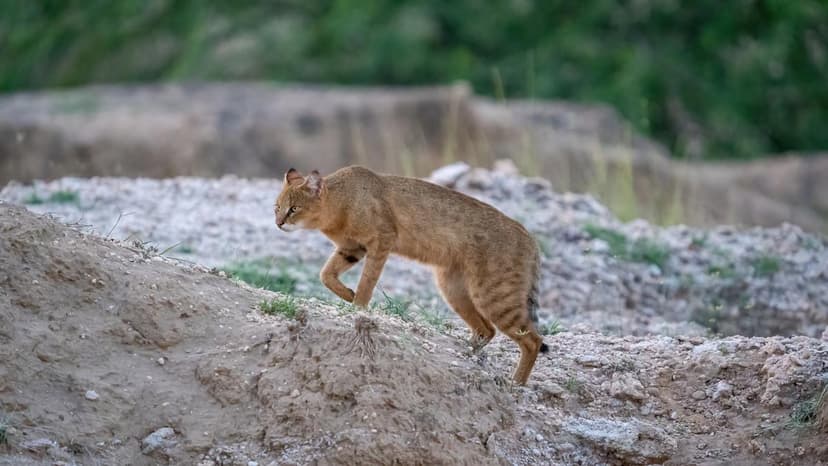
Jungle cats in India, despite being listed as 'least concern' by the IUCN, are experiencing population declines. A comprehensive new study, compiled from over 26,000 camera-trap records, aims to establish a conservation baseline for this understudied species.
The research indicates that human pressure is the most significant factor influencing jungle cat distribution. While adaptable to moderate human disturbance, they avoid densely populated areas, preferring semi-arid, open habitats. This preference makes them vulnerable to expanding urbanization and infrastructure development.
The study estimated India's jungle cat population to be between 1.57 lakh and 4.59 lakh individuals. Madhya Pradesh, Rajasthan, and Odisha are identified as states with the largest populations. Key threats include habitat fragmentation, road fatalities, poaching, and competition with stray dogs.
Scientists emphasize the need for wildlife passageway planning alongside infrastructure projects in these crucial agro-pastoral and open habitats. Further research is required to understand the species' denning sites, litter sizes, and diets, as they remain largely nocturnal and secretive.
