Home / Environment / India's Water Crisis: Groundwater Levels Plummeting
India's Water Crisis: Groundwater Levels Plummeting
31 Jul
Summary
- India is the world's largest groundwater extractor, using 251 cubic kilometers annually.
- Punjab's groundwater extraction exceeds replenishment, marking it as the most stressed state.
- Below-normal monsoon forecast raises concerns about weaker groundwater recharge this year.
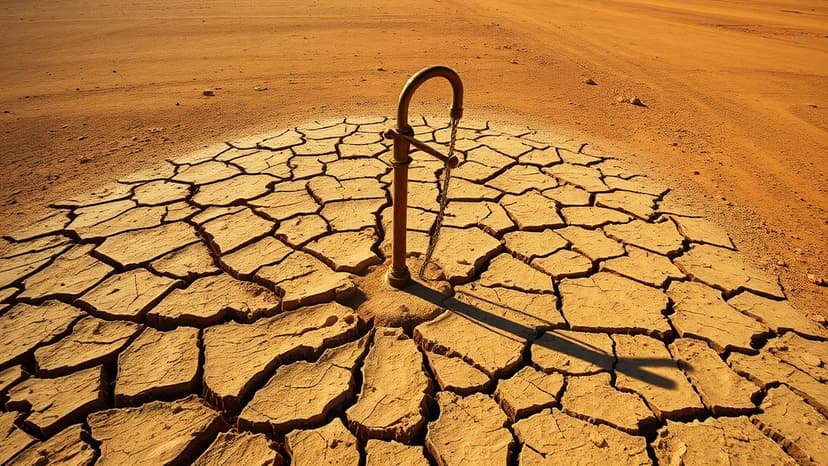
Months of relentless water extraction have severely depleted India's groundwater reserves. As the nation's primary source for drinking and agriculture, groundwater levels are at a critical low, exacerbated by continuous pumping.
Punjab leads the country in groundwater stress, with extraction rates significantly surpassing natural replenishment. States like Rajasthan, Haryana, and Delhi also report alarmingly high withdrawal levels, pushing them towards unsustainable limits.
India stands as the world's largest groundwater user, withdrawing approximately 251 cubic kilometers annually, with nearly 89% dedicated to irrigation. This heavy reliance on groundwater, especially by agriculture, has shifted irrigation patterns, with tube-wells now irrigating nearly half the net irrigated area.
This year's southwest monsoon forecast indicates below-normal rainfall due to El Nino conditions. This raises significant concerns, as the monsoon is crucial for recharging India's aquifers. A weaker recharge could leave already strained groundwater resources with insufficient recovery, intensifying the water scarcity challenge.


