Home / Environment / India's Water Crisis: Experts Warn of Triple Extraction by 2080
India's Water Crisis: Experts Warn of Triple Extraction by 2080
19 Jan
Summary
- India faces a severe groundwater crisis with high extraction rates.
- Contaminated water caused an outbreak in Indore, Madhya Pradesh.
- Groundwater extraction may triple by 2080 if trends continue.
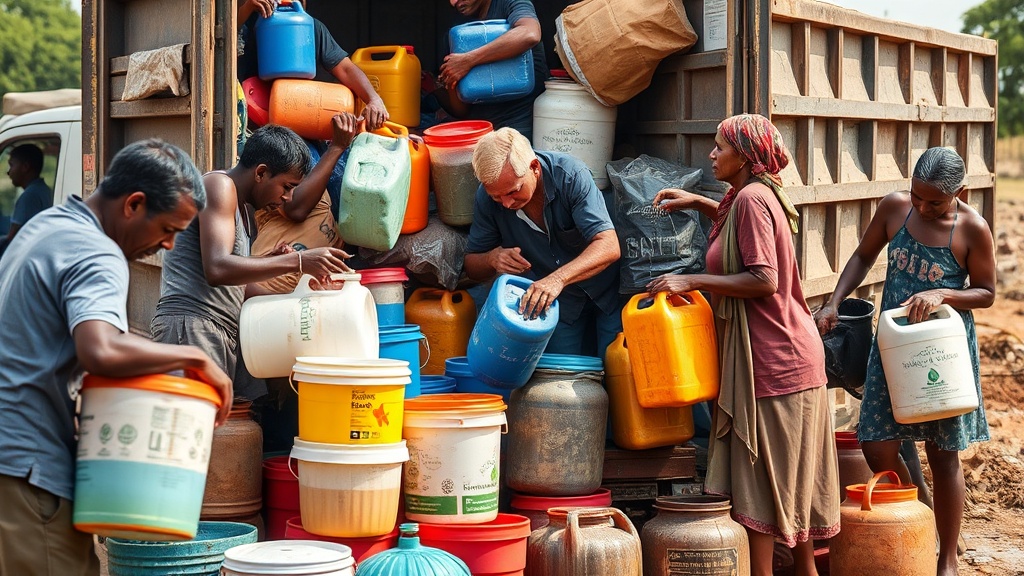
India is grappling with a severe groundwater crisis, marked by extensive depletion and quality degradation affecting safe drinking water, agriculture, and public health. Recent reports indicate that groundwater extraction could triple by 2080 if current trends continue, posing a significant threat to national water security. This alarming situation was underscored by a public health emergency in Indore, Madhya Pradesh, where contaminated water led to an outbreak of vomiting and diarrhea.
The nation is the world's largest consumer of groundwater, extracting approximately 230 cubic kilometers annually. While overall recharge has seen a slight increase, regional analysis reveals critical stress, with many assessment units categorized as 'Over-exploited' or 'Critical.' States like Haryana, Punjab, and Rajasthan are particularly over-exploited, while others face significant contamination from nitrates, fluoride, arsenic, and heavy metals, according to the CGWB's 2024 report.
Factors such as rapid urbanization, population growth, industrial needs, and unsustainable agricultural practices, influenced by policies like the Green Revolution, are major drivers of this crisis. The government has initiated schemes like the Atal Bhujal Yojana to promote groundwater recharge. However, there is an urgent need to strengthen national surveillance of groundwater quality and extraction, invest in water treatment, and incentivize water-efficient agricultural practices to secure India's water future.