Home / Environment / Fast Fashion's Toxic Secret: India's Recycling Crisis
Fast Fashion's Toxic Secret: India's Recycling Crisis
9 May
Summary
- Fast fashion waste from global sources ends up in Panipat, India.
- Recycling workers suffer severe respiratory and skin issues.
- Polluted wastewater contaminates local water systems.
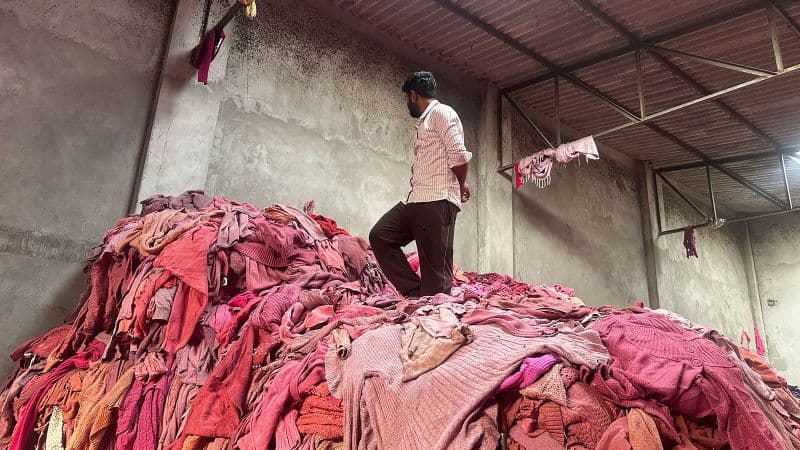
Panipat, India, has become a major destination for discarded fast fashion waste, primarily from Western countries. Garments are sorted, shredded, and reprocessed into new textiles like rugs and blankets, offering a semblance of a circular economy.
This industry, however, comes at a steep price for the city's inhabitants. Workers inhale fine fiber particles and toxic chemical fumes daily, leading to severe respiratory ailments and skin problems. Many lack protective gear and any form of health insurance or formal benefits, leaving them vulnerable.
The environmental impact is equally devastating. Wastewater from dyeing and bleaching units, laden with chemicals, is discharged into open drains. This polluted water contaminates agricultural land and reaches vital water sources, impacting the health of millions who rely on them.
Despite government notices and some unit closures, accountability remains elusive. The long-term health consequences for workers and surrounding communities are profound, with irreversible damage and shortened lifespans becoming a grim reality of Panipat's role in the global fast fashion cycle.


