
Home / Environment / India's Summer Scorcher: Millions Face Lethal Heat
India's Summer Scorcher: Millions Face Lethal Heat
3 May
Summary
- Extreme heat in India arrives early, lasts longer, and hits higher temperatures.
- Up to 200 million Indians could face lethal heat conditions by 2030.
- Informal workers bear the brunt of heat exposure and economic costs.
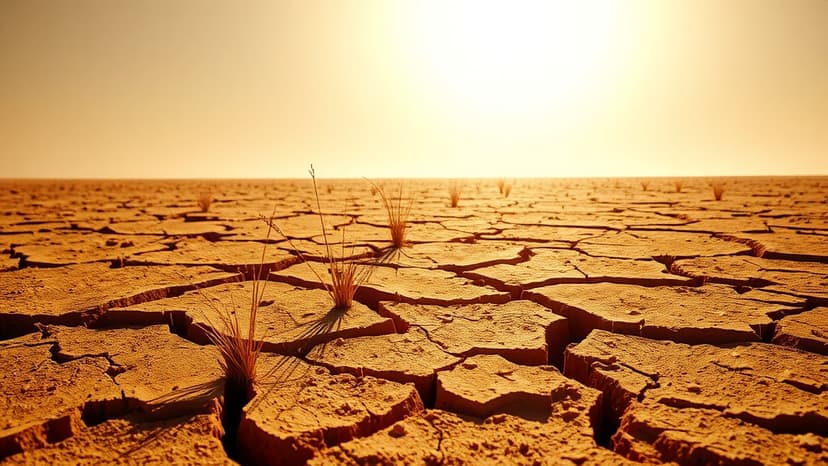
India's summers are becoming dangerously extreme, with heat arriving earlier, persisting longer, and reaching higher temperatures. This intensifying heat poses a significant threat, with projections indicating up to 200 million people in India could face lethal heat conditions by 2030. Millions of outdoor and informal workers are disproportionately affected, enduring sustained high temperatures that impact health, wages, and living conditions.
The consequences of extreme heat extend beyond immediate health crises, manifesting as a macroeconomic and fiscal risk. Heat waves can predict food inflation, reduce labor productivity, and strain energy grids. These factors collectively lower economic output and increase public expenditure on health, disaster response, and subsidies.
Addressing this challenge requires a systemic shift towards heat resilience. This includes investing in public green spaces, ensuring access to water and cooled areas, and improving housing ventilation and passive cooling. Rethinking work structures with enforceable protections for heat-exposed laborers is also crucial.
Experts advocate for viewing heat not as an episodic crisis but as a recurring economic risk. By integrating heat resilience into everyday systems—buildings, labor, health, and public finance—India can transition towards a "cool economy" that proactively reduces exposure and risk.
