Home / Environment / India's Silent Killer: Construction Dust Chokes Cities
India's Silent Killer: Construction Dust Chokes Cities
8 Mar
Summary
- Construction dust is a persistent, year-round air pollution source in India.
- PM2.5 from dust penetrates lungs, raising risks of heart disease and cancer.
- Effective dust mitigation requires consistent enforcement, not just bans.
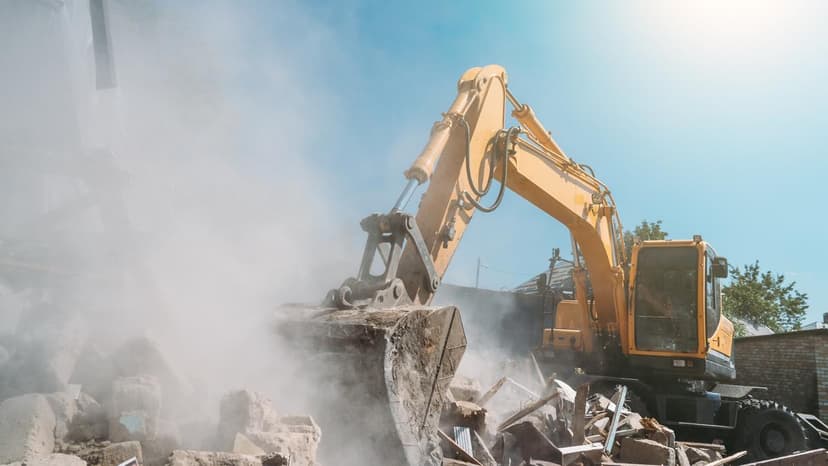
India's unprecedented scale of construction, marked by highways, metros, and rising towers, is also a significant contributor to pervasive air pollution. Beyond seasonal crises like crop burning, construction and road dust represent a structural, year-round source of harmful PM2.5 and PM10 particles.
These fine particles penetrate deep into the lungs and bloodstream, elevating risks for heart disease, stroke, lung cancer, and premature death. While public attention often focuses on vehicles and crop burning, multiple studies show construction and road dust contribute substantially to particulate pollution in Indian cities.
This diffuse and persistent pollution source intensifies with urban growth, with excavations, demolitions, and uncovered material transport releasing clouds of dust. Vehicles further resuspend settled dust, turning roads into perpetual pollution sources that are difficult to regulate.
India's significant economic growth from construction must be balanced with environmental responsibility. Current policy responses, like construction bans during high pollution episodes, offer only temporary relief and disrupt livelihoods without addressing underlying practices.
Effective dust mitigation, involving measures like water sprinkling and covering materials, requires consistent enforcement and accountability. Municipal bodies often lack the capacity to monitor thousands of sites, leading to weak practical application of existing regulations.
The health costs borne by construction workers, nearby residents, and the elderly are substantial but unacknowledged in project reports. Clean air must be treated as a non-negotiable public good, not an inconvenience.
Addressing construction dust requires year-round regulation, transparent data, and integrating environmental costs into project approvals. Comprehensive dust-management plans and real-time monitoring at construction sites are essential steps.
India can achieve development and breathable air simultaneously by acknowledging construction dust as a permanent, structural pollution source. Integrating environmental safeguards into urban planning ensures that the people building and living in future cities can breathe.