

Home / Environment / India's Green Leap: 60% Clean Energy by 2035
India's Green Leap: 60% Clean Energy by 2035
29 Mar
Summary
- India aims for 60% clean energy capacity by 2035.
- Energy efficiency overlooked despite its crucial role.
- Balancing climate ambition with energy affordability is key.
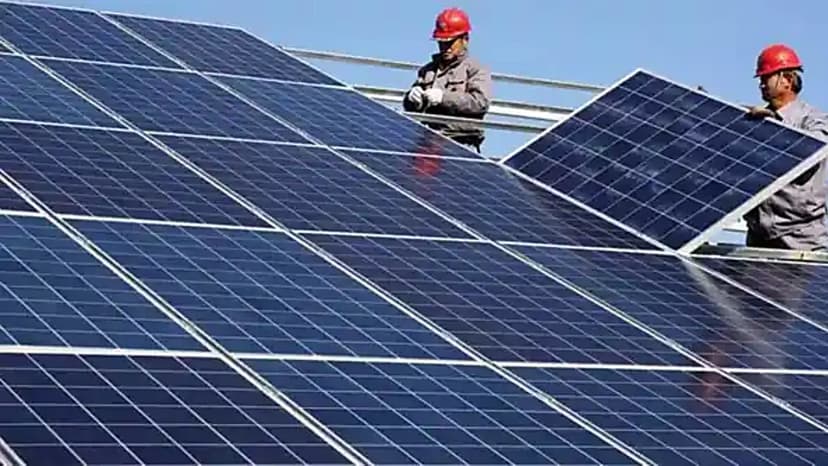
India has updated its climate commitments, aiming for 60% of its installed electricity capacity to be powered by clean energy by 2035. This ambitious target underscores India's view of a clean-energy transition as central to its development strategy. However, the path forward is complicated by technical and institutional hurdles. Renewable energy generation is inherently variable, and large-scale energy storage solutions, such as batteries, remain costly and resource-intensive.
Despite significant progress in green energy, India, like much of the world, will continue to rely on hydrocarbons in the near term. Geopolitical events have theoretically made renewables more competitive, but governments must address immediate energy affordability concerns. This tension between climate goals and current economic realities necessitates a fundamental rethinking of energy consumption patterns.
Energy efficiency, once a cornerstone of climate discussions, has been marginalized. The International Energy Agency (IEA) emphasizes that current improvements in energy intensity are insufficient to meet mid-century net-zero targets. Beyond technical fixes like efficient appliances, a cultural shift towards different consumption habits is crucial.
Implementing energy efficiency measures also requires addressing design and behavioral aspects. Poor architectural choices in new constructions can lock in high energy demand for generations. Similarly, reforming transport systems involves promoting public transit and active mobility over car-centric urban design. India must focus on how wisely it uses energy, not just how it sources it, for energy security and climate mitigation.
