
Home / Environment / India's Bustards Vanishing: SOS for Critically Endangered Birds
India's Bustards Vanishing: SOS for Critically Endangered Birds
15 May
Summary
- Great Indian Bustard population reduced to under 150 birds.
- Lesser Florican population estimated between 150 and 730 birds.
- Bengal Florican, critically endangered, has under 1000 birds globally.
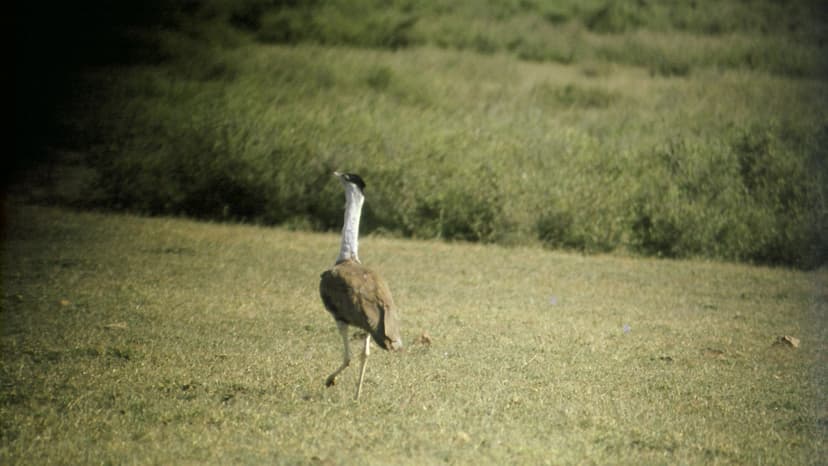
India's native bustard species are facing a critical SOS situation, primarily due to habitat loss and human encroachment. The Great Indian Bustard, once prevalent across India, now has a wild population of less than 150 individuals, primarily located in Rajasthan's Desert National Park.
Once hunted and now protected, the bustard's main threats are habitat destruction, including the conversion of grasslands to wastelands for development and agriculture. Infrastructure like roads and transmission wires further endanger them, as do irrigated areas transforming their desert habitat.
Conservation projects, such as Project Great Indian Bustard in Rajasthan, are in motion, involving captive breeding programs and attempts to reintroduce birds into suitable habitats. For instance, one egg was transported 770 km to Gujarat for hatching.
The Lesser Florican, endemic to the Indian subcontinent, faces a precarious existence with estimates ranging from 150 to 730 birds. Its tall grassland habitat is shrinking due to agriculture and human activity, impacting breeding prospects.
The Bengal Florican, also critically endangered, has fewer than 1000 birds globally, with India hosting about half. Efforts are being made in regions like Assam and Uttar Pradesh to raise awareness and protect breeding grounds.
A fundamental shift in attitude is needed to recognize grasslands as vital ecosystems, not wastelands. The survival of these species hinges on protecting their habitats from relentless development pressures.
