Home / Environment / Microbes to the Rescue: India's Bioremediation Boom
Microbes to the Rescue: India's Bioremediation Boom
2 Dec
Summary
- Bioremediation uses microbes to break down toxic pollutants into harmless substances.
- India's rapid industrialization has led to severe water and soil contamination.
- Challenges include technical hurdles and a lack of unified bioremediation standards.
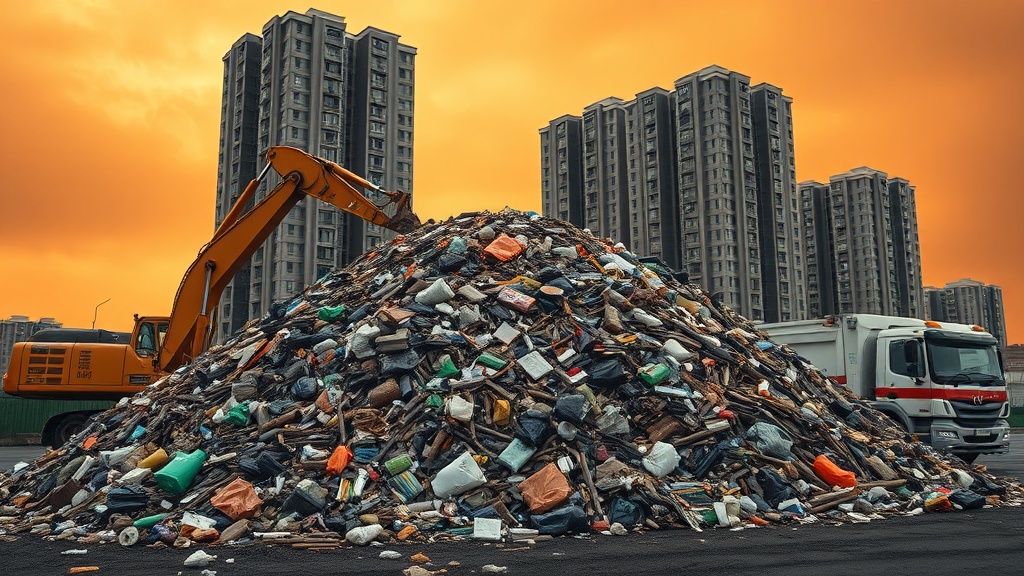
Bioremediation, the process of using living organisms like bacteria and fungi to neutralize toxins, presents a promising solution to India's escalating waste crisis. This biological approach metabolizes pollutants into harmless by-products, offering a sustainable alternative to expensive and energy-intensive traditional cleanup methods. India's diverse biodiversity further enhances its potential, with indigenous microbes adapted to local conditions proving highly effective.
Despite its potential, bioremediation in India is primarily in its pilot stages. While research institutions and startups are making strides with microbial formulations and oil spill cleanup technologies, widespread adoption faces technical and regulatory hurdles. The lack of site-specific knowledge and unified standards hinders progress, though international examples from Japan, the EU, and China demonstrate successful integration into environmental management.
The opportunities for India are substantial, with bioremediation capable of restoring vital ecosystems, reclaiming land, and fostering job creation. However, risks associated with genetically modified organisms necessitate strict monitoring and robust biosafety guidelines. Developing national standards, establishing regional bioremediation hubs, and enhancing public engagement are crucial steps for India to responsibly scale this transformative technology.