Home / Environment / India's Air Standards Lag Behind WHO Goals
India's Air Standards Lag Behind WHO Goals
11 Dec
Summary
- India's air quality standards are significantly higher than new WHO guidelines.
- Delhi has seen an increase to 200 good air quality days in 2025.
- A 90% reduction in farm fires was observed in Punjab and Haryana in 2025.
India's national air quality standards are substantially higher than the World Health Organization's updated guidelines, according to a statement by the minister of state for environment. The WHO has significantly lowered its recommended exposure limits for pollutants such as PM2.5, while India's current standards, established in 2009, remain much more lenient, particularly for 24-hour and yearly PM2.5 exposure.
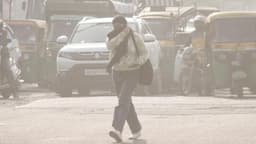
Despite these disparities, focused policy interventions have led to improvements in Delhi's air quality. The city recorded approximately 200 days with good air quality (AQI below 200) in 2025, a notable increase from 110 days in 2016. Furthermore, air pollution levels have not reached severe-plus AQI in Delhi throughout 2025 so far.
Coordinated efforts have also yielded positive results in agricultural regions, with Punjab and Haryana reporting a substantial reduction of about 90% in crop residue burning incidents during the 2025 paddy harvesting season compared to 2022. These measures demonstrate a growing commitment to improving air quality across the country.