Home / Environment / India Safaris: Beyond the Tiger Treadmill
India Safaris: Beyond the Tiger Treadmill
9 Oct
Summary
- African safaris differ from Indian ones in landscape diversity and tourism models.
- India's safari tourism is heavily focused on tigers, often leading to crowding.
- Expanding India's wildlife tourism beyond tigers offers significant growth potential.
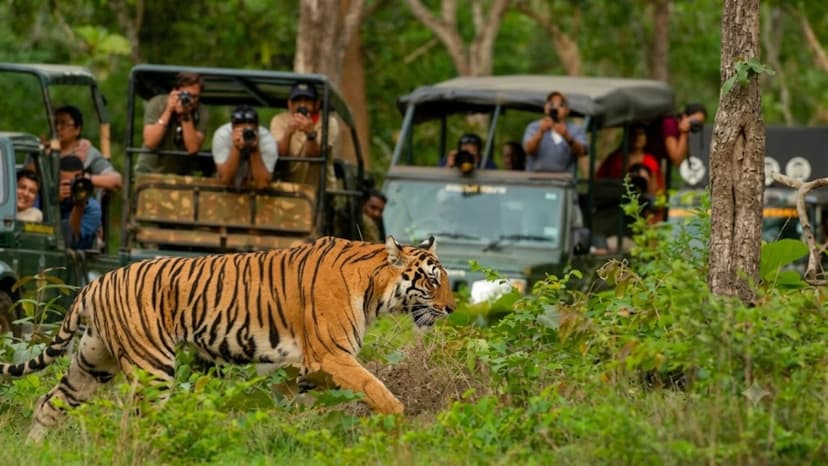
Safaris offer distinct experiences globally, with notable differences between African and Indian tourism models. Africa features a mix of privately managed concessions and protected areas, providing varied landscapes and wildlife observations. Kenya's Masai landscape exemplifies this blend of government and private management.
In contrast, India's safari tourism primarily operates within government-managed national parks and wildlife sanctuaries. A significant divergence lies in the focus of the experience; India's tourism is heavily dominated by the pursuit of tigers. This can lead to crowded sightings where numerous vehicles surround the animal, shifting the focus from a holistic nature experience to a 'tiger safari'.
Experts suggest India has immense potential to broaden its wildlife tourism beyond the tiger. While iconic species like lions in Gujarat and the growing popularity of wolves and snow leopards show promise, the current model remains overwhelmingly tiger-focused, representing about 90% of wildlife tourism. Diversifying tourism to include various ecosystems and species is crucial for India's conservation and economic growth.
Developing tourism across India's diverse landscapes—from the Himalayas to deserts and mangroves—requires building awareness and infrastructure. This expansion is intrinsically linked to conservation efforts, necessitating the restoration of wildlife populations and habitats. The ultimate goal is to market India's wildlife as a collection of vibrant ecosystems, mirroring Africa's broader approach, rather than relying on a single flagship species.


