Home / Environment / India Taps Centuries-Old Structures for Water Security
India Taps Centuries-Old Structures for Water Security
21 Aug
Summary
- Traditional Indian water structures are being revived to combat water scarcity.
- Stepwells and earthen dams are functioning for centuries-old water harvesting.
- Ancient water systems are recognized as climate-resilient solutions.
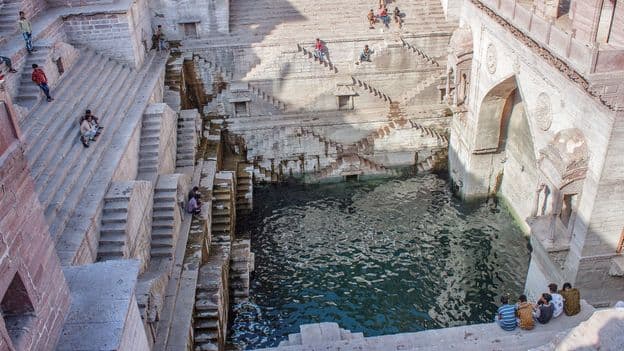
Centuries-old water structures across India are being restored to combat escalating water scarcity and the impacts of climate change. Traditional systems, including stepwells (baoris) and earthen dams (johads), are being brought back into use, demonstrating remarkable climate resilience. These ancient designs, some dating back over a millennium, were historically vital for water management and are now recognized as effective solutions for replenishing groundwater.
Historically, these structures were integral to rural India's water supply, but many fell into disuse over the last 200 years due to colonial policies and a later focus on modern infrastructure like dams and canals. However, recent initiatives, like the restoration of the Moosi Rani Sagar stepwell in Alwar, Rajasthan, highlight the efficacy of these traditional methods. These efforts aim to slow water down, allowing it to percolate into the soil and replenish aquifers, offering a sustainable alternative to over-extracted groundwater.
The revival extends across various regions, with projects in Marathwada and Rajasthan showcasing significant success in increasing water storage and restoring river flows. Government policies since 2019 now actively support the building of such structures, recognizing their importance in ensuring water security for rural populations. This shift reflects a growing understanding that ancient engineering holds keys to addressing contemporary environmental challenges.


