

Home / Environment / Cartels Hook US Market with Illegal Red Snapper
Cartels Hook US Market with Illegal Red Snapper
31 Mar
Summary
- Cartels exploit red snapper for profit, selling illegally caught fish to U.S. wholesalers.
- Coast Guard patrols combat lanchas illegally fishing in U.S. waters, seizing tons of fish.
- Decades of illegal fishing threaten red snapper populations and ecosystem health.
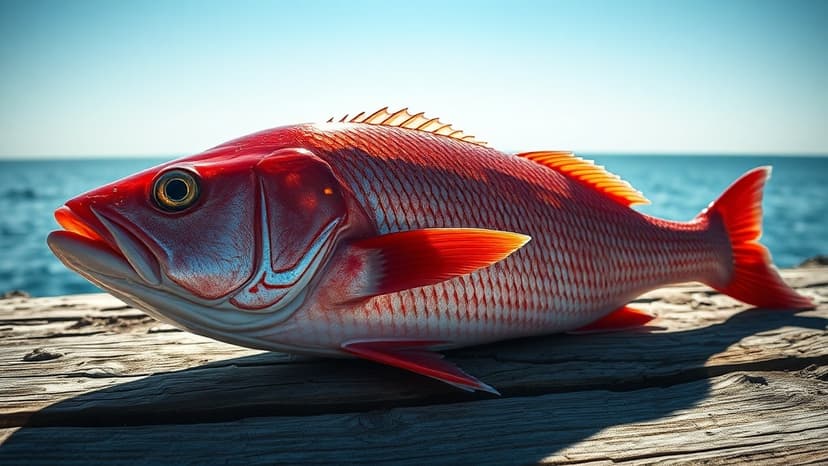
The U.S. Coast Guard is confronting an ongoing issue of illegal fishing in Gulf of Mexico federal waters. Crews often respond to reports of lanchas, small boats from Mexico, overflowing with red snapper and other species caught outside legal limits. These operations, targeting species like red snapper, have been a persistent challenge for decades.
Researchers and officials indicate that Mexican drug cartels, particularly the Gulf Cartel, are behind much of this illegal activity. They force fishermen, known as lancheros, to poach fish, which can be as profitable as drug trafficking. This illicit catch is then smuggled into the United States, often sold to wholesalers and restaurants on the black market.
Efforts to combat this issue include the SAFE Act and national security memorandums aimed at curbing illegal, unreported, and unregulated fishing. The U.S. Department of Justice is also prosecuting lancheros under the Lacey Act, a federal law designed to prevent the illegal trade of wildlife and fish across state and national borders. Despite these measures, the full ecological impact of decades of illegal fishing on species like red snapper remains a concern.
In 2024, the Coast Guard seized over 18 tons of illegally caught fish, a significant increase from previous years. Lancha sightings in U.S. waters have also decreased recently, suggesting these operations may be slowing down. However, the long-term health of the red snapper fishery, once designated as overfished in the 1990s, is still impacted by historical overexploitation.
