Home / Environment / Iceland's Purple Invasion: Beauty or Beast?
Iceland's Purple Invasion: Beauty or Beast?
4 Dec, 2025
Summary
- Nootka lupins, introduced in the 1940s, now threaten Iceland's native species.
- Tourists love the lupins, making them an accidental summer symbol.
- Scientists warn the invasive plant could cover a sixth of Iceland by 2027.
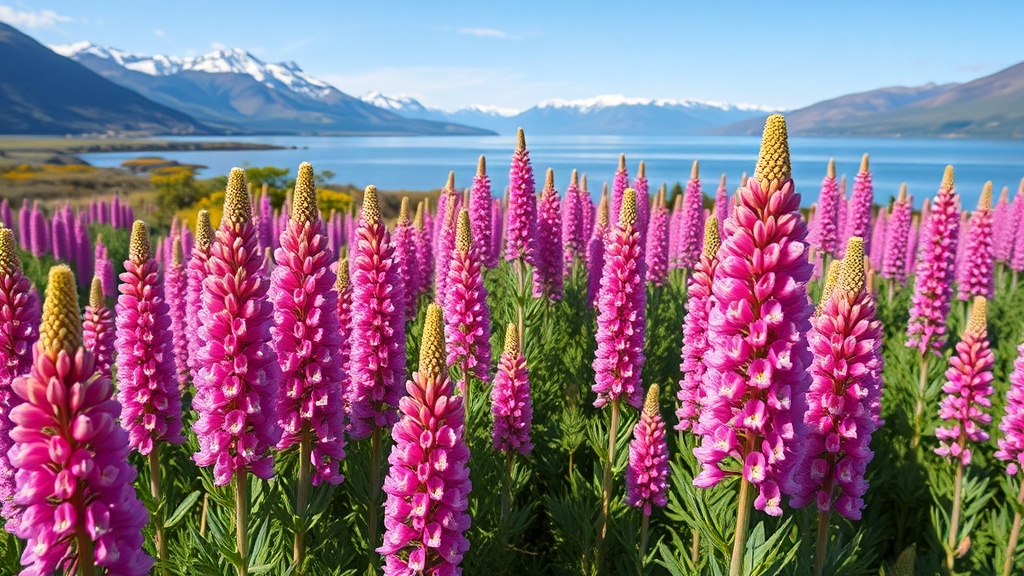
Introduced to Iceland in the 1940s, the Nootka lupin, native to Alaska, was intended to repair damaged soil and combat erosion. However, this well-intentioned experiment has led to the plant becoming a widespread invasive species across the island, covering fjords, mountainsides, and lava fields.
The striking purple flowers have become an accidental summer icon, attracting hordes of tourists who pose for photographs, influencing travel dates to coincide with the lupin bloom. This popularity has created a division among Icelanders, with some embracing the lupin's beauty while scientists express growing alarm over its ecological impact.
Scientists now classify the Nootka lupin as an invasive species, noting its rapid spread without human aid and its tendency to displace native plants. Projections indicate a significant increase in lupin coverage, potentially reaching a sixth of Iceland by 2027, exacerbated by a warming climate. While eradication is deemed impossible, efforts are focused on preventing its spread into ecologically sensitive areas.