Home / Environment / Iceland: Where Volcanoes Fuel Homes, Not Fear
Iceland: Where Volcanoes Fuel Homes, Not Fear
10 Jul
Summary
- Geothermal energy heats nearly 90% of Icelandic homes.
- Volcanic heat warms underground water for direct use or exchangers.
- Geothermal power aids electricity, industry, and urban development.
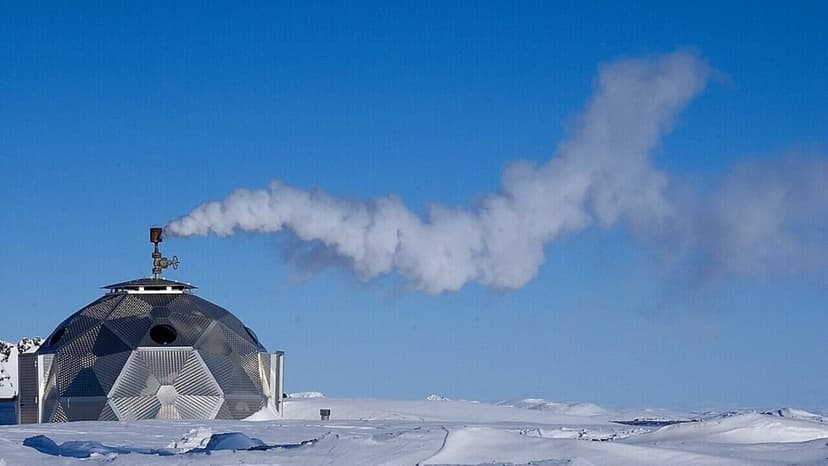
Iceland has masterfully turned its volcanic landscape into a primary energy source. Nearly 90 percent of Icelandic households are heated by geothermal energy, a testament to the country's innovative use of Earth's natural heat.
Rainwater and groundwater are heated deep beneath the surface by magma, creating reservoirs tapped through wells. This geothermal fluid is then used directly or heats freshwater via heat exchangers, supplying districts with warmth. This method drastically reduces carbon emissions compared to fossil fuels.
Beyond residential heating, geothermal power contributes to electricity generation, alongside hydropower. It also fuels swimming pools, greenhouses, snow-melting systems, and various industries, showcasing its versatility.
Iceland's pioneering work in geothermal technology is a model for global sustainable development. Though few nations match its geological potential, lessons in investing in renewables and adapting technologies are widely applicable.
Wise management is crucial to maintain geothermal field temperatures and pressure over time. Iceland's success underscores how natural resources can sustainably power a nation, offering energy independence and lower carbon footprints.


