Home / Environment / Ice Sports Melting: Climate Crisis Threatens Winter Games
Ice Sports Melting: Climate Crisis Threatens Winter Games
28 Jan
Summary
- Warming winters and artificial snow reliance strain Olympic water resources.
- Indoor ice rinks leak potent greenhouse gases, impacting the planet.
- Sustainable alternatives like plastic ice and CO2 cooling offer hope.
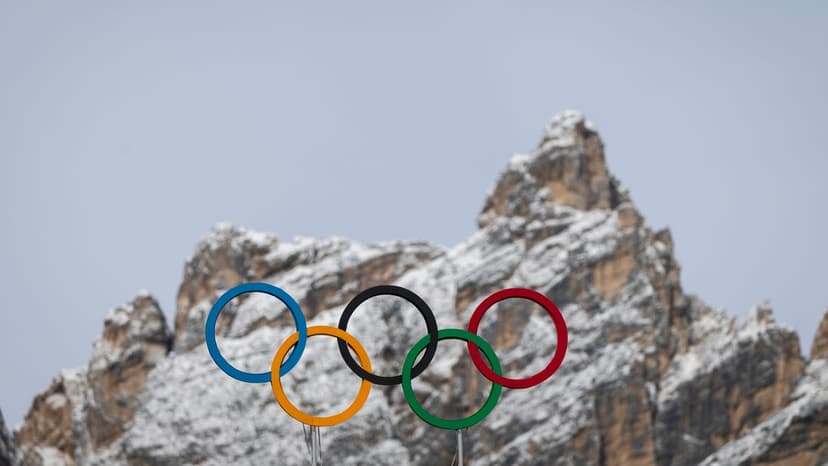
The sustainability of ice sports, including figure skating, is under increasing scrutiny due to the growing impact of climate change. Warming winters have led to a greater reliance on artificial snow for major events, such as the 2022 Beijing Olympics, which used over 192 million gallons of water. The upcoming Milan Winter Games are also expected to require significant artificial snow production.
Indoor ice arenas contribute to the problem by using hydrofluorocarbons (HFCs), potent greenhouse gases that leak into the atmosphere during the cooling process. Traditional Zambonis, often diesel-powered, also emit pollutants like carbon monoxide and nitrous oxide. These factors highlight the need for ice sports to decarbonize to protect the planet.
Despite these challenges, advancements in sustainability are being made. The Beijing Olympics notably used liquefied carbon dioxide for cooling, reducing reliance on HFCs. The International Skating Union released sustainability guidelines in 2024 to promote greener practices.
Individual facilities are also innovating. In Vermont, the Union Arena Community Center achieved net-zero status through energy efficiency and solar power. Mexico City replaced a real ice rink with a plastic-based alternative, conserving water and eliminating the need for greenhouse gases for cooling. The U.S., with the second-highest number of indoor ice rinks, is positioned to lead these sustainability efforts.